
Committee advances repeal of common-law marriage recognition despite concerns about families and immigration cases
Get AI-powered insights, summaries, and transcripts
Subscribe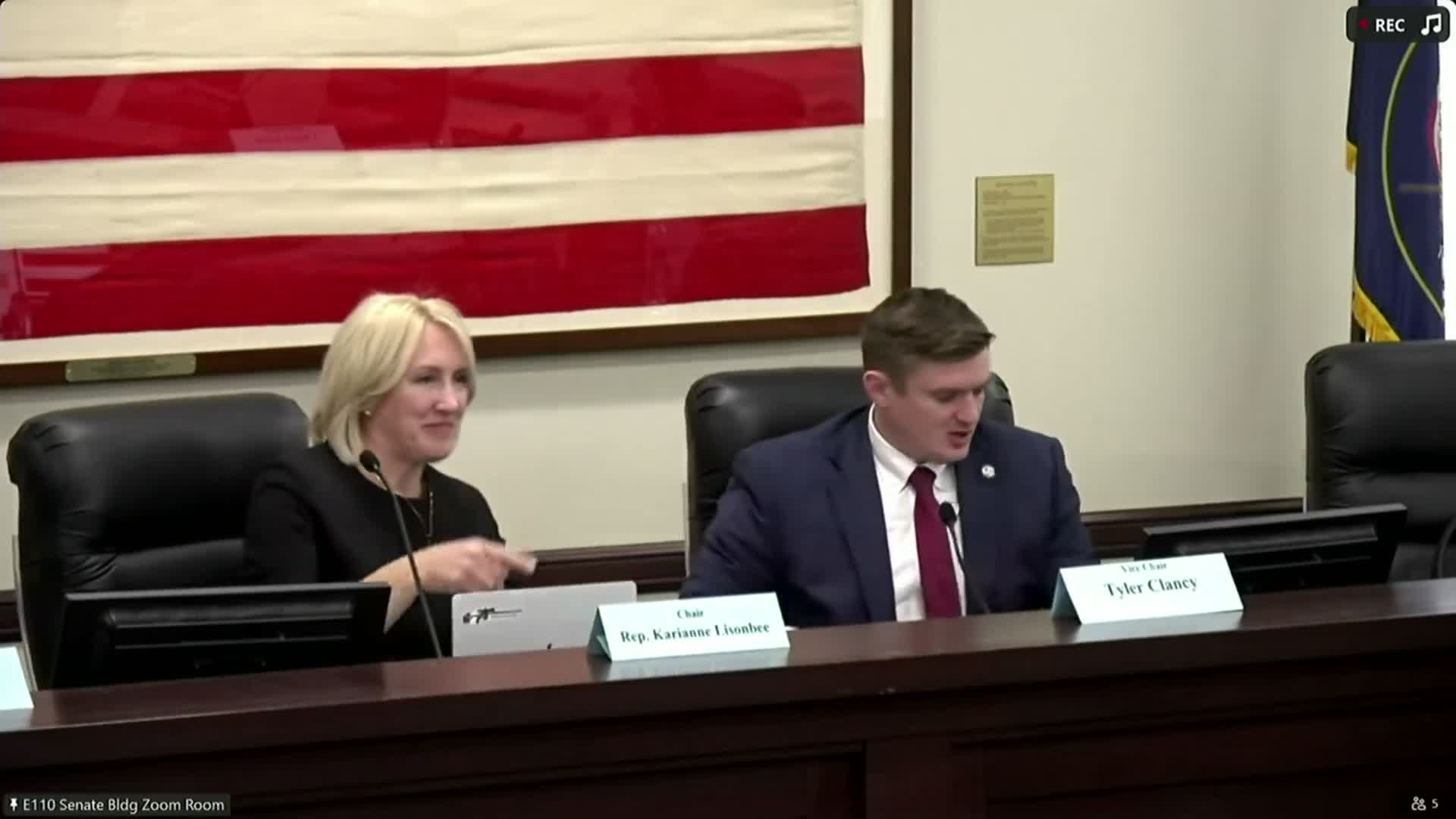
Summary
Second-substitute SB 110, which would eliminate Utah's judicial recognition of common-law marriage, passed the Judiciary Committee 9–2. Sponsor Senator Weiler called the doctrine an "archaic legal fiction" exploited in litigation; attorneys and advocates warned repeal could harm families, inheritance claims and immigration petitions and urged narrower fixes or grandfathering.
The House Judiciary Committee voted 9–2 to favorably recommend second-substitute SB 110, a bill that would remove Utah’s cause of action for judicial recognition of common-law marriage.
Senator Weiler, the bill’s sponsor, argued the statute is anachronistic and can be used strategically in divorce and probate litigation to extend claims for alimony or property by asserting an earlier, unsolemnized relationship should be treated as a marriage. “Either you’re married or you’re not married,” Weiler said, calling common-law recognition a “legal fiction” that allows parties to seek retroactive benefits without the obligations of marriage.
Public comment included mixed testimony. Dani Bordeaux, a family-law policy specialist, said she supports eliminating common-law marriage going forward but urged a grandfathering window to allow those who have relied on the doctrine to petition courts. Attorney Jacob Torres said judicial recognition protects families in specific crises—survivor benefits, property rights and immigration/asylum petitions when no foreign marriage certificate exists—and suggested narrower limits (for example, restricting recognition in divorce or custody proceedings) rather than a total repeal. Stuart Rouss of the Legal Aid Society (speaking personally) likewise said the statutory criteria generally work and that tweaks could reduce frivolous claims while preserving relief for long-term cohabitational families.
Representative Lisonbee, acting as floor sponsor, urged committee support and clarity in the law. Representative Miller and another member registered opposition on the floor; the recorded vote was 9–2 in favor of advancing the substitute to the House.
Supporters said the bill would reduce litigation leverage and clarify when the state recognizes marriage; opponents warned repeal could leave some families without recourse and urged targeted amendments or grandfathering for those who relied on recognition.