Get Full Government Meeting Transcripts, Videos, & Alerts Forever!
Get email alerts on the Tax Policy topic
No spam. Unsubscribe anytime.
Senate advances bill to redirect basic levy collections to state fund, prompting local‑control concerns
Summary
Senate Bill 65 would shift basic levy property-tax receipts (the state‑imposed 'basic levy') into a state fund and provide dollar‑for‑dollar replacement to districts; supporters say it aligns budgets with practice, while some senators and local officials voiced concerns about state handling of property‑tax revenue and constitutional implications.
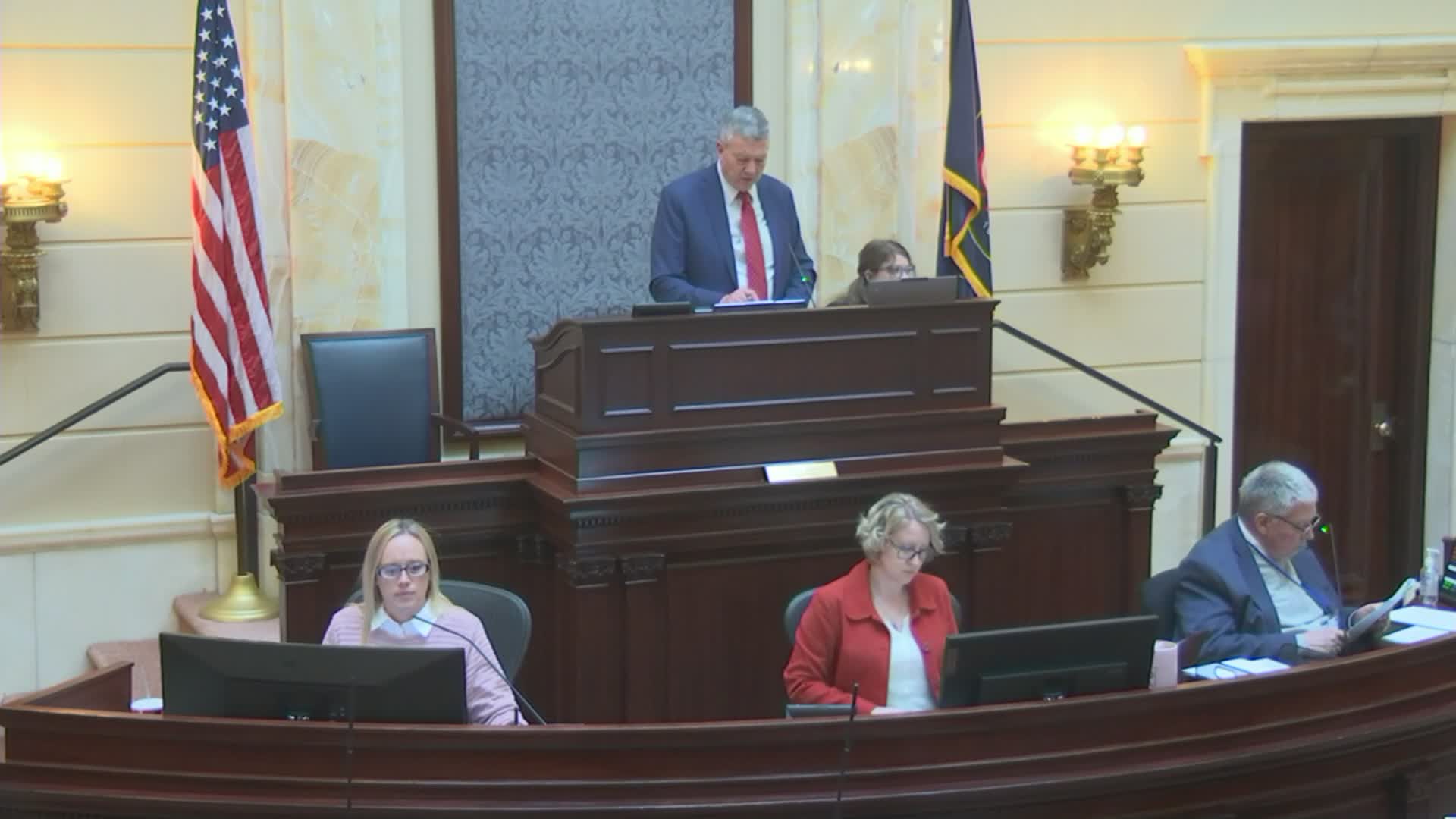
Senator Fillmore presented SB65, which would direct counts of the state‑imposed basic school levy to the state’s general or a special revenue fund, with the state returning an equivalent amount to local school districts on the same schedule. Fillmore said the change formalizes current budget practice and allows the state to manage the flow while ensuring districts receive dollar‑for‑dollar replacement.
"This bill simply recognizes that fact and makes the reality match the budget," Fillmore said, adding the first substitute also addresses lag and interest earnings to ensure districts do not lose interest income from collections.
Several senators expressed strong reservations. Sen. Milner said shifting property‑tax receipts into state hands risks making the Legislature ‘‘in the property tax business’’ and raised constitutional concerns about dedicated income-tax uses. Sen. Reby and others recalled a similar bill vetoed last year amid strong public opposition; rural superintendents and school boards were reported in opposition.
Fillmore said the bill preserves the state‑imposed elements of the basic levy (the rate the state sets and the requirement districts levy), and the first substitute addresses timing and interest concerns. After extended discussion, the Senate recorded a roll call to read SB65 for a third time; the procedural count recorded showed the bill would be read for third time.