
Pocatello-area FFA presents mock ‘court’ on rescission of 2001 Roadless Rule
Get AI-powered insights, summaries, and transcripts
Sign Up Free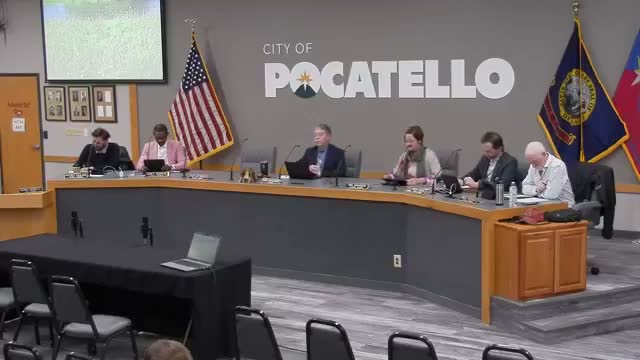
Summary
American Falls FFA students presented a mock court to the Pocatello City Council arguing competing views of the USDA’s 2025 rescission of the 2001 Roadless Rule — prosecution warned of harms to watersheds and tribal sites, while defense emphasized wildfire risk, local management flexibility, and potential jobs.
American Falls FFA students staged a mock court at the Pocatello City Council work session to examine the U.S. Department of Agriculture’s 2025 repeal of the 2001 Roadless Rule, a federal regulation that had limited road construction and logging on about 8.5 million acres of national forest.
The students framed the program as a courtroom debate. Lily Cardona, who served as the judge for the presentation, opened with the question: “Are we protecting the land or locking it away?” The prosecution argued the rule’s rescission weakens longstanding protections, risks water quality and wildlife corridors and shortchanges tribal consultation. Cardona’s opening said the original rule resulted from a large public-participation process and “aimed to help preserve remaining underdeveloped forests by limiting new roads, logging, and extractive uses.”
The defense contended the rescission restores management flexibility, enabling targeted thinning, road maintenance and faster emergency responses. Dr. Riley Thompson, introduced as a USDA Forest Service deputy director in the student presentation, told the mock court the department’s 2025 assessment identified millions of acres at high wildfire risk and that regional flexibility would allow managers to “reduce hazards and maintain forest health.” Defense witnesses cited potential economic benefits from expanded timber and mineral access, including job projections for rural counties.
A witness who identified herself as councilwoman Lizzie Poguey of the Nez Perce Tribe delivered testimony framed around tribal harms. She said roadless protections had preserved