Get Full Government Meeting Transcripts, Videos, & Alerts Forever!
Get email alerts on the Electronic Signage topic
No spam. Unsubscribe anytime.
Zoning board denies oversized electronic sign proposed for Peters Auto site after neighbor safety concerns
Summary
After extensive public comment citing highway-ramp geometry, visibility from nearby homes and wetland questions, the Nashua Zoning Board denied variances for a 588-sq-ft, 40-foot-high electronic sign at 238 Amherst Street by a 3–1 vote.
The Nashua Zoning Board of Adjustment on Aug. 13 denied multiple variances for a proposed 588-square-foot, 40-foot-high single-face sign with a 448-square-foot electronic messaging center for 238 Amherst Street (Peters Auto / New Hampshire Science), following extended public comment and board deliberation.
Applicant Peter March said the parcel’s shape, limited usable frontage and wetlands constrain sign placement and argued the electronic sign would primarily serve northbound traffic on the Everett/Route 3 corridor. He submitted studies, including Federal Highway Administration and Texas A&M materials, and offered to provide a video simulation and a land survey to mitigate resident concerns.
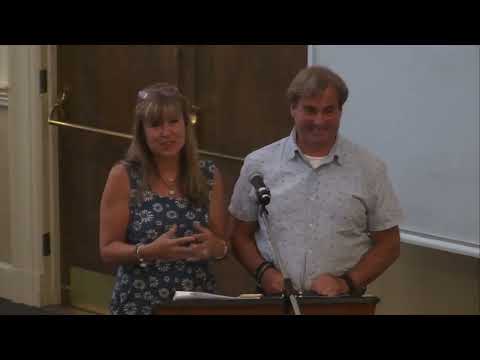
Several neighbors, including Jennifer Martin and Lisa O'Connor of Peterborough Place, said the site is adjacent to a complex series of ramps and overpasses where accidents are frequent, and that residents can see the sign from their homes. "It's a very busy stretch ... there's lots of accidents," Martin said. Residents also raised wetland and light/visual-impact concerns.
Board members expressed particular unease about the electronic element and the sign's effective role as a billboard rather than directional signage. After discussion a motion to deny the variances passed by a 3–1 vote; the chair noted the applicant may seek rehearing or appeal within 30 days.