
New Spokane council members prioritize accessibility, equity and clearer agendas
Get AI-powered insights, summaries, and transcripts
Sign Up Free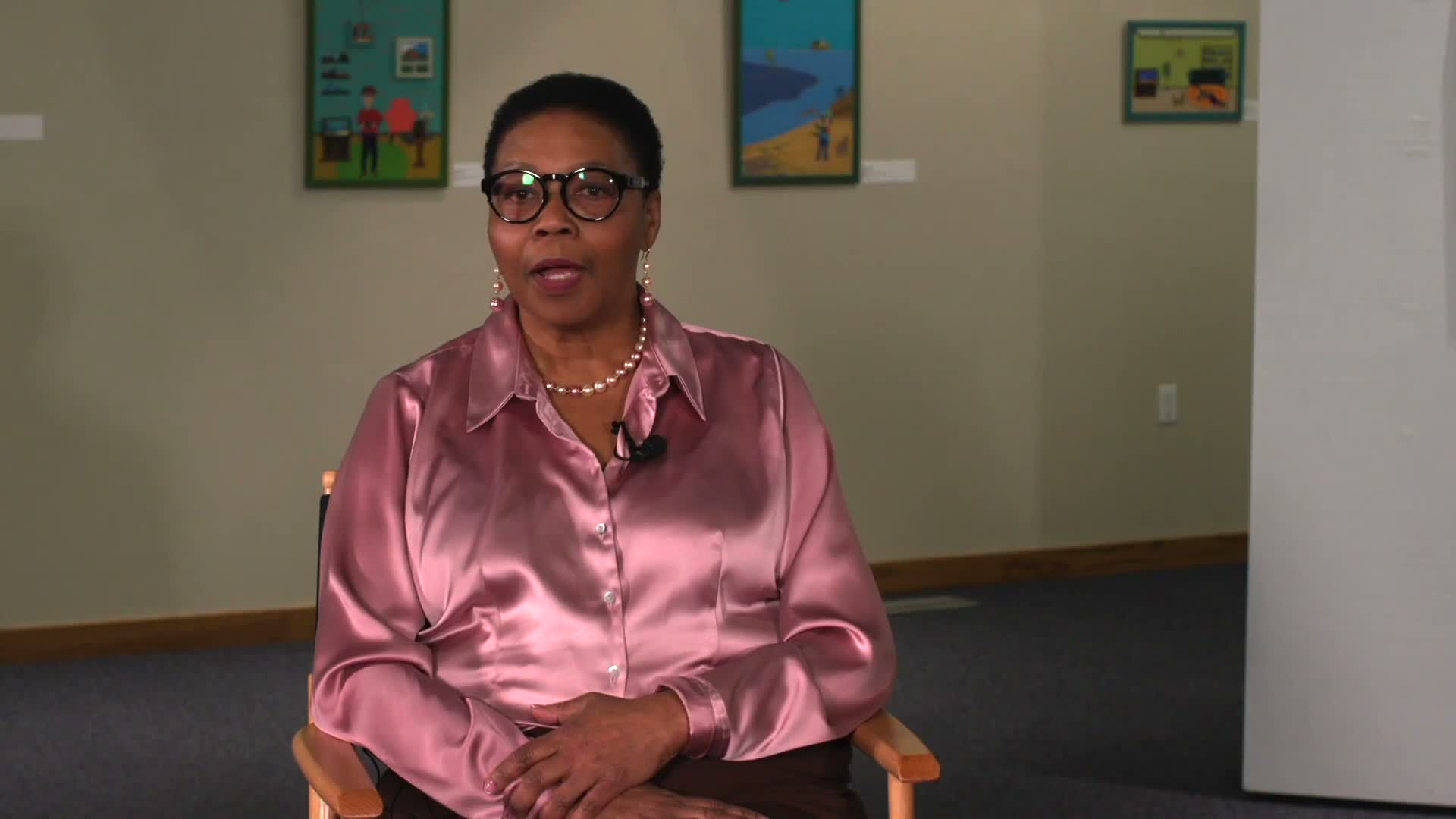
Summary
On the City of Spokane's Council Connection program, Council President Betsy Wilkerson interviewed newly elected council members Sarah Dixon (District 1) and Kate Tellis (District 2). Both emphasized outreach, clearer meeting materials and an ordinance proposal to relabel the consent agenda to make council business easier for the public to follow.
Council President Betsy Wilkerson hosted Council Connection with newly elected council members Sarah Dixon (District 1) and Kate Tellis (District 2), who used the program to introduce themselves and outline early priorities for the City of Spokane.
Dixon said her path to office grew out of community organizing and her work will emphasize making city government more accessible. "I was a community organizer for a long time, which then contributed into me stepping into the equity subcommittee role as the chair," she said, noting she wants city processes to be understandable to residents who lack legal or procedural expertise.
Tellis described her role as a facilitator for an active District 2 and said she wants council chambers to better reflect the full city. "I would love it if every Monday night, our city council chambers was packed with people that I'd never heard from before," she said, tying greater attendance to more representative decision-making.
Both members highlighted concrete steps to improve public engagement. Dixon proposed changing language in city policies to use clearer terms (for example, replacing the legal word "shall" with "must" for accessibility) and said she will introduce an ordinance to relabel and reorganize the consent agenda so that packets are easier for the public to navigate. She told viewers that agenda packets can be "hundreds of pages, if not thousands," and suggested grouping consent items by committee and renaming the section to explicitly list reports, contracts and claims.
Wilkerson framed these proposals as part of building trust and everyday connection between elected officials and residents: "They're going to see you at the grocery store or the gas station," she said, underscoring the council's frequent direct contact with constituents.
Dixon, who said she is the city's first Indian American woman elected to the council, described the milestone as "exciting and also terrifying" and urged the city to help create new pathways to participation for people who cannot attend meetings because of work or family responsibilities.
On policy aims, both council members said they want to address affordability and environmental stewardship over the next four years, while improving responsiveness to constituents. Tellis said she is trying to personally respond to every email as a model of accountability.
The segment closed with Wilkerson directing viewers to the city's online resources for more information about council work and how to engage with agenda items.
The council members described the agenda and language changes as proposals; no formal vote or ordinance adoption occurred during this broadcast. The next step for the consent-agenda proposal is formal introduction to the council as an ordinance, where the council will decide whether to refer it to committee or schedule readings.