Get Full Government Meeting Transcripts, Videos, & Alerts Forever!
Get email alerts on the Education topic
No spam. Unsubscribe anytime.
District details first‑year rollout of Arts & Letters aligned with science of reading
Summary
New Albany coaches and administrators told the board that the district implemented Arts & Letters curriculum this year aligned to the science of reading, emphasized teacher coaching and protected collaboration time, and warned of a possible 'implementation dip' in year one while fidelity is established.
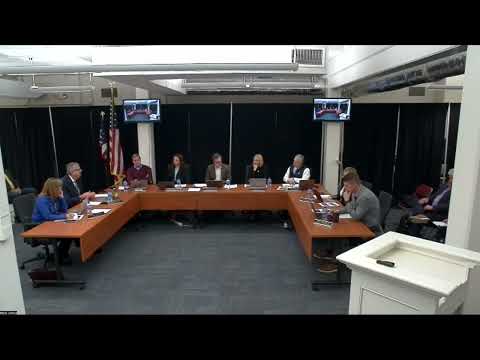
District leaders and literacy coaches updated the board on Feb. 9 about the first year of implementing Arts & Letters, a curriculum aligned with the science of reading, across K‑5 classrooms.
Scott Emery and structured literacy coordinator Tara Boga introduced literacy coaches who described professional learning, coaching models and classroom examples. Coaches said the program provides consistent language across grade levels, supports differentiated rigor, builds cumulative background knowledge and strengthens writing. "Arts and Letters has allowed teachers to intentionally challenge our higher achievers... while providing necessary scaffolds for students who need extra help," one coach said.
Staff emphasized the train‑the‑trainer model and in‑class coaching: coaches sometimes model lessons, sometimes co‑teach, and sometimes observe so teachers can reflect. They noted protections for collaborative planning time and a focus on assessing progress and monitoring fidelity. Presenters acknowledged research showing a potential short‑term implementation dip in the first year of science‑based reading rollouts and said they are monitoring for that and supporting teachers to minimize any negative effects.
Board members asked about how success will be measured across cohorts and whether results will be visible as students advance through grade levels; staff said it is early but that coherent pacing and repeated knowledge building should support longer‑term gains.