
Plug‑in solar bill stalls after safety and utility concerns
Get AI-powered insights, summaries, and transcripts
Subscribe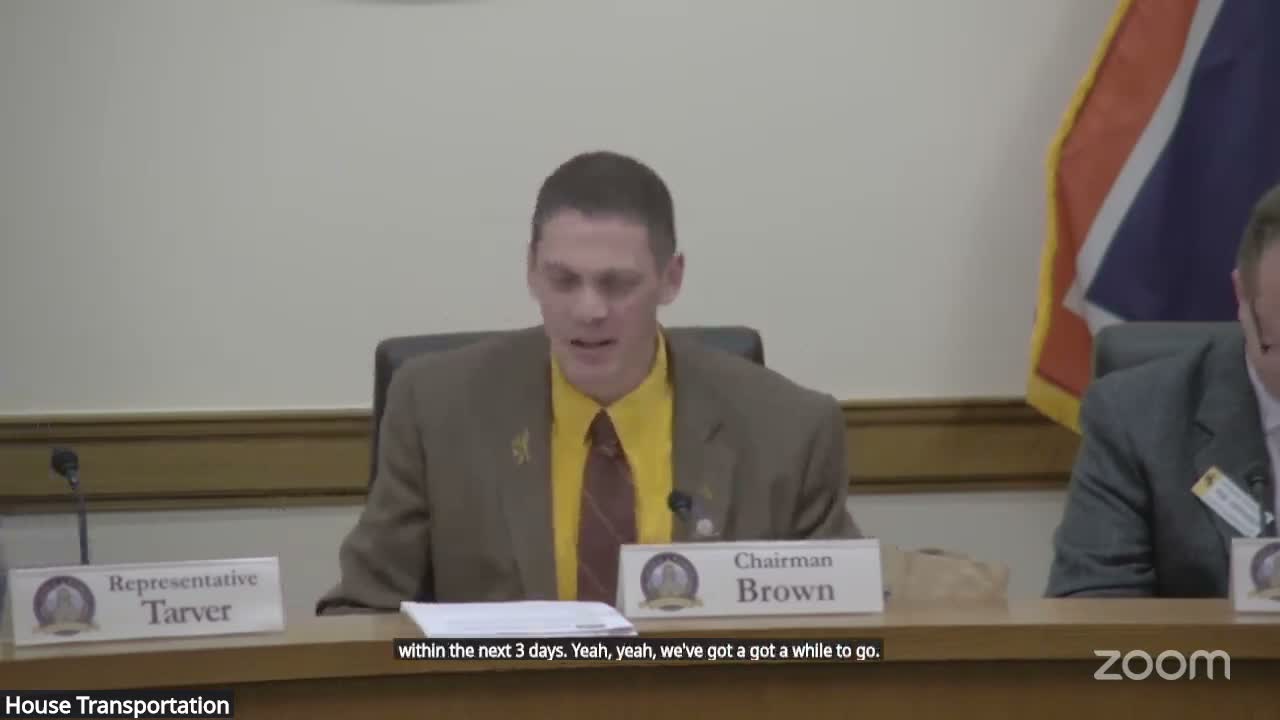
Summary
A bill to allow 1,200‑watt plug‑in solar devices without full interconnection failed to move out of the Transportation committee after utilities and an electrical engineer raised safety, backfeed and inspection concerns; proponents cited recent UL standards and anti‑islanding technology.
Representative Storer introduced a bill to permit small plug‑in solar systems—portable solar units up to 1,200 watts that plug into a standard household outlet—to expand energy access for renters and low‑income households while meeting national safety standards.
Storer said the measure would exempt truly small devices from the full interconnection process and require products to meet nationally recognized testing laboratory certification, noting UL has published a plug‑in solar standard.
Concerns from utilities and regulators outweighed proponents’ assurances during committee testimony. Chris Petrie and Mike Robinson of the Wyoming Public Service Commission said many utility tariffs and current rules prohibit backfeeding and suggested statutory language be clarified ("device" versus "system"). Nathan Nicholas, appearing for Rocky Mountain Power, described technical hazards from consumer‑grade devices, the risk of backfeeding linemen during outages, and examples where rooftop solar failed to shut off during outages. He urged additional study and cautioned the committee about the NEC implications.
Proponents, including BrightSaver and the Wyoming Outdoor Council, pointed to microinverters and anti‑islanding protections; Hannah Ellis of BrightSaver noted UL’s recent standard and said modern inverters automatically stop producing power when the grid goes down. Small business operators described commercially available products with protective mechanisms and potential household savings.
Outcome: After extended discussion and several rounds of public testimony, the committee took no motion to move the bill and Representative Brown stated HB146 "will die for lack of motion." Members suggested the measure be studied further in an interim committee and stakeholders offered to work on amendment language to address notification, safety, and utility coordination.
What was at issue: Utilities and an electrical engineer emphasized inspection, product certification, code compliance, and the possibility that inexpensive, non‑certified imports could be used by consumers, creating fire and safety risks and imposing upgrade costs on distribution systems. Proponents emphasized accessibility for renters and that national certification and modern inverter technology mitigate backfeed concerns.