Get Full Government Meeting Transcripts, Videos, & Alerts Forever!
Get email alerts on the Land Use topic
No spam. Unsubscribe anytime.
Senate committee advances land‑use bill to clarify appeals, deadlines and online notice requirements
Summary
SB 284, a consensus bill on land‑use procedure that clarifies 'specified land use' deadlines, requires fee and application posting on city websites where available and encourages appeals to independent authorities rather than legislative bodies, was forwarded to the Senate with a unanimous favorable recommendation.
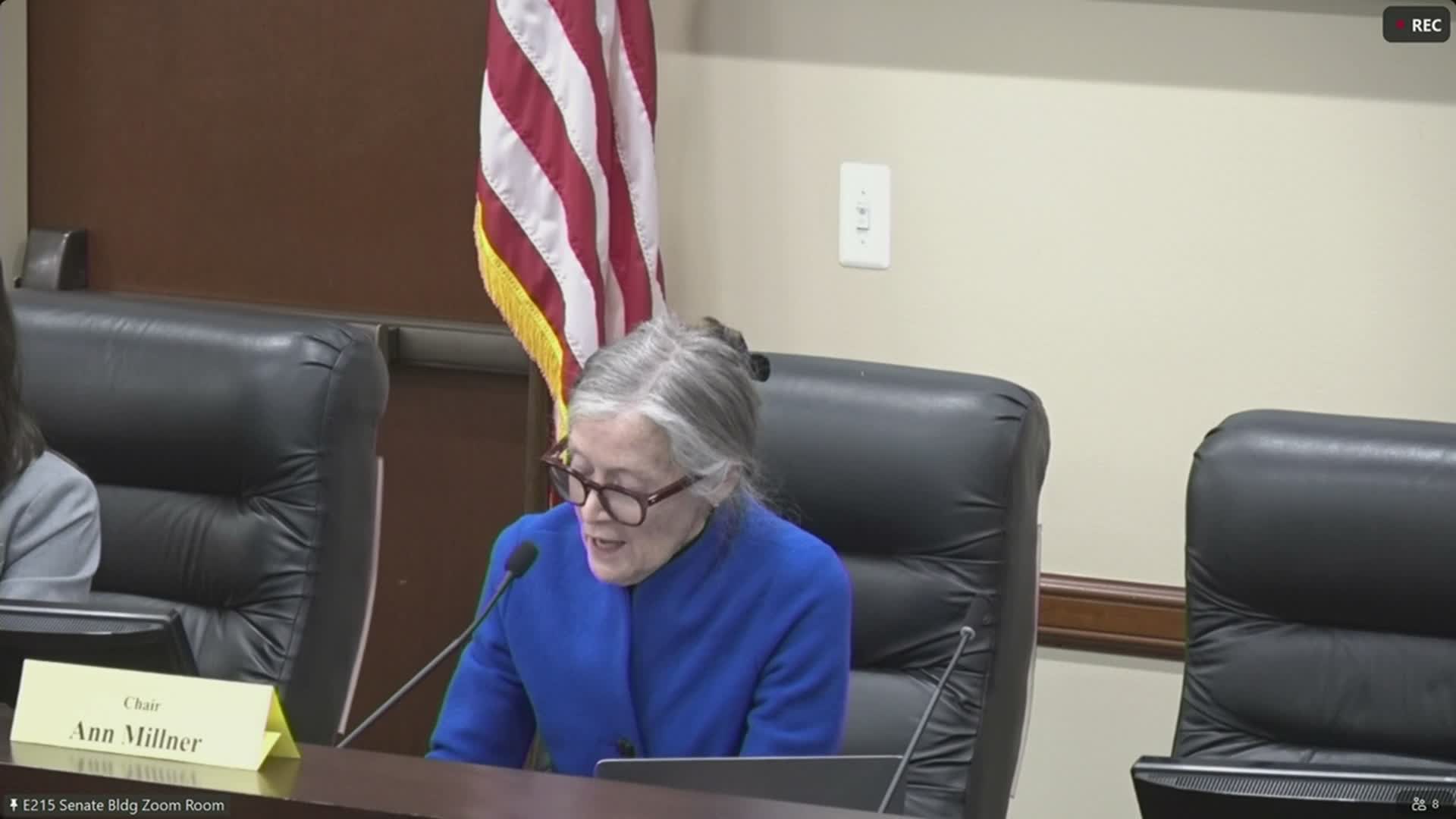
The Senate Economic Development and Workforce Services Standing Committee voted unanimously to advance SB 284, a land‑use bill presented as a consensus package crafted by the Property Rights Coalition and the League of Cities and Towns.
Senator Filmer said the bill provides clarity for lay decision‑makers — planning commissioners and volunteer boards — by defining specified land‑use rules and setting clearer deadlines for challenging development agreements. Jared Taney of the League and attorney Wade Budge described provisions that would require cities with websites to publish application requirements and fees, and encourage appeals to independent appeal authorities (rather than elected legislative bodies) so elected officials are not asked to act as both policymakers and appellate judges.
Sponsors argued the changes should reduce confusion and unnecessary litigation; city and industry representatives told the committee many stakeholders welcome the clarifications. After questions on participation rights and the scope of limits on elected bodies, the committee voted to send the bill forward with a favorable recommendation.
The bill was presented as a consensus product and sponsors said they expect additional language tweaks in follow‑up substitutes before floor consideration.