
Bethlehem council approves 7‑story Walnut Street project despite preservation objections
Get AI-powered insights, summaries, and transcripts
Subscribe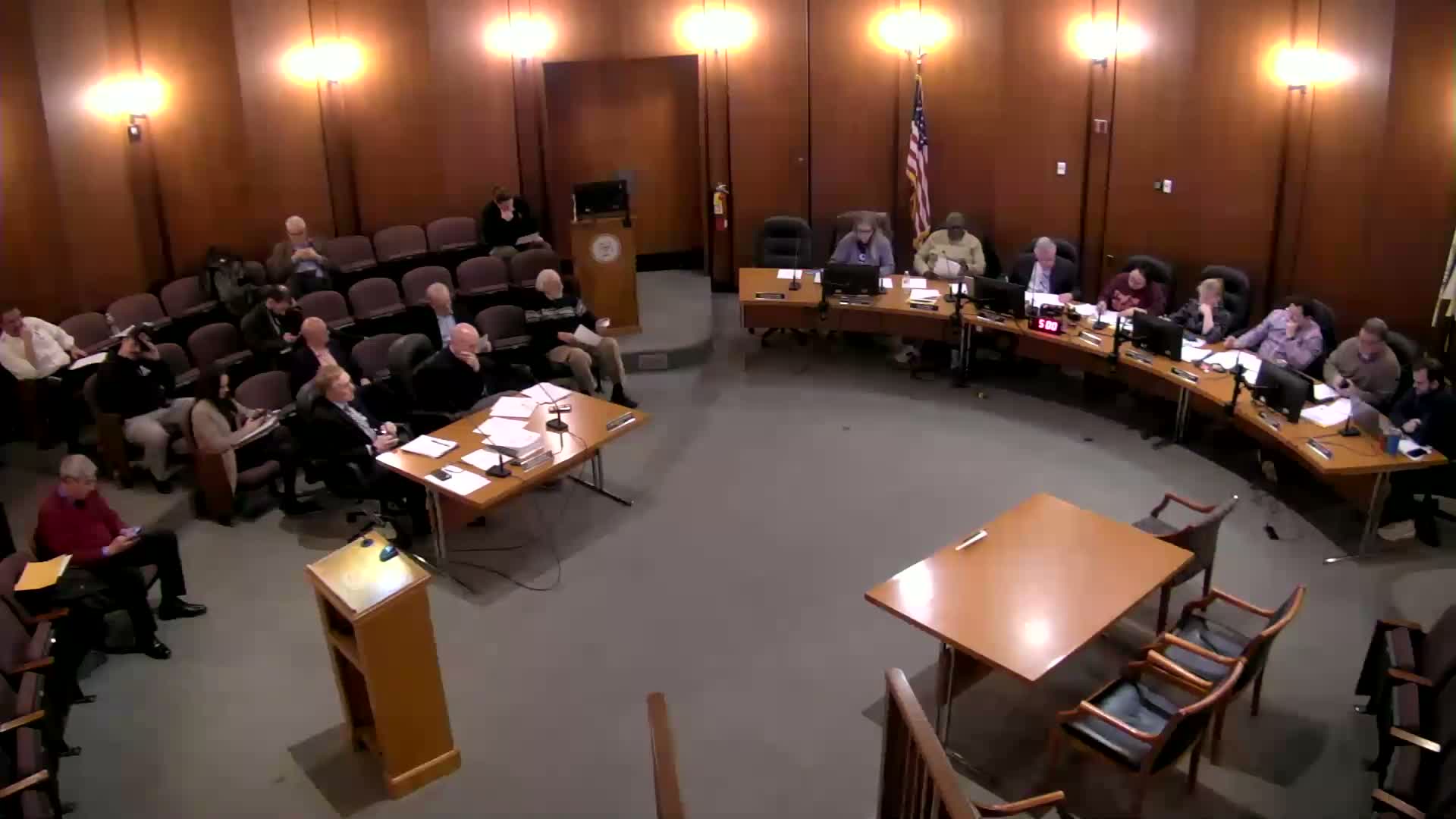
Summary
City Council approved a certificate of appropriateness for 33 West Walnut Street to allow a seven‑story mixed‑use building after HARB recommended approval; council cited statutory limits on COA review and approved the measure 5–1 amid public concern about scale and historic character.
City Council of Bethlehem approved a certificate of appropriateness for 33 West Walnut Street, allowing a seven‑story mixed‑use building with 107 dwelling units and ground‑floor commercial space, after a lengthy debate over compatibility with the historic district. The measure passed 5–1.
The Historic Architectural Review Board (HARB) recommended approval after three public meetings and multiple design revisions, city staff said. The city solicitor reminded council that, under Section 8004(b) of Pennsylvania’s Municipal Historic Districts Law and the city’s Article 17‑13, council’s review is limited to “exterior architectural features which can be seen from a public street,” and does not include a general review of building height, which is governed by the zoning ordinance.
President Leon said he continued to support HARB’s process, adding that the board’s recommendations reflected a series of iterations with neighbors and the applicant. “I continue to support HARB,” President Leon said during council discussion.
Opponents argued the project’s scale would alter the character of downtown. “I don’t think we should be selling historic Bethlehem land,” Councilman Callahan said, expressing a broader concern about preserving the city’s historic fabric and saying he would not support the project.
Council members who voted in favor emphasized design measures and setbacks adopted during the HARB reviews that, they said, reduced the building’s visual impact on Walnut Street. One council member noted that the applicant incorporated HARB feedback across multiple meetings before the recommendation was finalized.
The clerk called the roll and the measure passed by a vote of 5–1. Council did not treat the COA as a zoning approval; the city solicitor’s office cautioned that appeals of COA decisions may focus on the architectural criteria used in the record.
Council recorded no further immediate procedural steps for the project beyond the COA approval; separate zoning or land‑use approvals, if required, would proceed under those processes.
What’s next: The COA is effective as the council adopted it; any zoning or permitting questions will be addressed through the relevant departments and boards.
Provenance: Discussion and vote on the 33 West Walnut Street COA appear in the meeting record beginning at SEG 2133 and concluding at SEG 2578.