Get Full Government Meeting Transcripts, Videos, & Alerts Forever!
Get email alerts on the Facility Maintenance topic
No spam. Unsubscribe anytime.
Commissioners weigh repair vs. replacement for 4‑H Building HVAC units; contractor payments and contract records questioned
Summary
Commissioners and contractors debated repairing two failing HVAC units at the county 4‑H Building, discussed warranty coverage and recommended component replacements, and asked staff to locate contract records after the clerk reported $39,462.70 paid to the vendor since Feb. 2024.
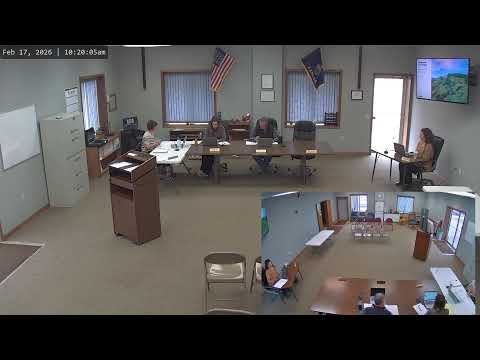
Linn County commissioners spent significant time discussing two failing HVAC units at the 4‑H Building and whether to repair individual components or replace units entirely.
A heating contractor who inspected the systems said Unit 2 has remaining warranty coverage and that replacing the heat‑exchanger under warranty plus associated components (inducer motor, rollout switch, LP conversion kit and control board) would cost about $3,030 for Unit 2. Unit 1 is out of warranty and the contractor quoted about $4,987 to replace the needed components; the contractor and commissioners referenced a combined figure of approximately $8,017 when describing the scope of repairs.
The contractor explained the technical concern: with propane‑converted systems, condensation can accumulate in heat exchangers if the units do not reliably enter their high stage. "By replacing the board and the thermostat, this will guarantee that we are going into high stage and also making sure that we get the right propane conversion kit," the contractor said, describing how the upgrades would reduce condensation and rusting that has caused previous heat‑exchanger failures.
Commissioners questioned why the units failed despite a standing maintenance contract. The county clerk reported that the county had paid $39,462.70 to contractor Jason Weber between Feb. 16, 2024 and Dec. 31, 2025. Commissioners were unable to locate a signed commission resolution in the county files authorizing Weber's contract and asked staff to look for the record and bring it back to the board. Jesse Walton of Public Works said he had not received detailed inspection checklists showing routine maintenance sign‑offs and that he relies primarily on the contractor's reports.
Commissioners discussed options: (1) accept the contractor's recommended repairs under warranty where available and obtain quotes for Unit 1 repairs; (2) solicit a second opinion and, if total replacement or repairs exceed the county's small‑purchase threshold, run a formal bid (the county noted $25,000 as the threshold at which a formal bidding process is required); or (3) replace units with higher‑grade stainless‑steel heat exchangers to extend life at greater upfront cost.
No final decision was made; commissioners directed staff to collect contract records, seek additional quotes or a second opinion, and bring a procurement recommendation back to the board. The county also agreed to re‑advertise a maintenance contract if needed to ensure competition and documentation.
What happens next: Public Works and the county clerk will gather the contract file, procurement history and invoices and return with quotes and a recommendation on whether to proceed with warranty work, pay for repairs, or rebid the maintenance contract.