Get Full Government Meeting Transcripts, Videos, & Alerts Forever!
Get email alerts on the Transportation Equity topic
No spam. Unsubscribe anytime.
California transportation secretary urges AASHTO to make equity central as billions flow to infrastructure
Summary
In a recorded message to AASHTO, California Transportation Secretary Toksar Mishakin outlined the state's Climate Action Plan for Transportation Infrastructure (CAPTI), announced a call for applicants to a new interagency equity advisory committee, and highlighted $47 billion in state infrastructure funding and targeted pilot programs.
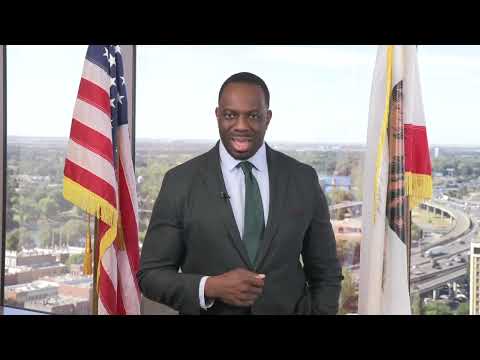
California Transportation Secretary Toksar Mishakin urged members of the American Association of State Highway and Transportation Officials (AASHTO) in a recorded message to prioritize equity as the state and federal policy and funding environment creates what she called a "critical moment" for transportation change.
"Equity isn't just some abstract concept when it comes to transportation," Mishakin said, adding that mobility is "an absolute lifeline" and that investments should ensure people of every race, age, ability and socioeconomic status have safe, equitable access. She said California has embedded equity and climate goals into its Climate Action Plan for Transportation Infrastructure (CAPTI) to guide investments.
Mishakin described several steps California is taking to put those principles into practice. Caltrans is developing an equity index to evaluate and prioritize projects by their equity benefits, and the California State Transportation Agency has conducted listening sessions with local and regional community-based organizations and the California Transportation Commission. The agency has put out a call for applicants to a new interagency equity advisory committee "to elevate diverse and historically marginalized voices in decision making," she said, naming groups the committee hopes to include such as Black, indigenous and people of color, LGBTQIA people, low-income and unhoused people, older adults, young people and rural communities.
Mishakin also pointed to concrete funding and programs. She said Governor Gavin Newsom and the state legislature enacted a state budget that includes a "historic" $47 billion multiyear infrastructure package. That package includes a $150 million highways-to-boulevard pilot program intended to reconnect communities divided by transportation infrastructure. Mishakin further noted that the U.S. Department of Transportation announced a Reconnecting Communities pilot program providing $1 billion over five years.
She tied those investments to grant strategy and project evaluation, saying California is pursuing competitive federal grant applications under the Bipartisan Infrastructure Law and subjecting potential projects to "robust analysis" for alignment with CAPTI and the state's freight mobility and rail plans.
On workforce and internal reforms, Mishakin described quarterly justice, equity, diversity and inclusion workshops, department-level race and equity training and a Caltrans diverse hiring panel program designed to reduce implicit bias in hiring.
Mishakin cited her prior role as Caltrans director, noting the department adopted an equity policy statement and published its first race equity action plan during that time. She concluded by introducing Amar Sid of the Caltrans Office of Race and Equity and saying that office, now two years old, would provide additional information to meeting participants.
No formal vote or action was taken during the recorded message. Mishakin asked AASHTO to move beyond discussion to implementation and thanked meeting organizers and attendees.