Get Full Government Meeting Transcripts, Videos, & Alerts Forever!
Get email alerts on the Nevi Implementation topic
No spam. Unsubscribe anytime.
Officials flag permitting, utility interconnection and charger reliability as key hurdles to NEVI rollout
Summary
California officials said the NEVI buildout faces non-funding challenges: local permitting practices, utility interconnection and charger reliability will need coordinated action and new requirements; agencies plan to align federal uptime rules with state funding requirements.
California officials used a Veloz webinar Q&A to identify implementation challenges that must be solved before NEVI-funded chargers can be widely deployed.
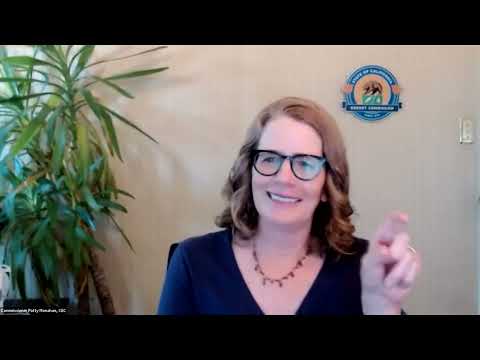
Commissioner Patty Monahan said reliability and the consumer experience are priorities. "We are increasingly adding reliability requirements to the chargers that we fund. The new federal funding will have uptime requirements as well, which we will align with and potentially go beyond," Monahan said, announcing state alignment with anticipated federal uptime standards and additional state actions to gather hard reliability data.
Monahan also flagged permitting and utility coordination as common barriers. "Local permitting is one. Utility interface and prioritization at the utility, I think, would be another one," she said, noting that state legislation requires permit streamlining but that local practices vary and utilities are managing wildfire resilience and grid constraints.
The officials advised jurisdictions and applicants to streamline permits and work closely with utilities on capacity and interconnection timelines. Omishakin urged stakeholders to consult California's NEVI plan to understand corridor priorities and requirements and to prepare for cross-agency agreements that will support rapid project implementation once federal guidance is published.
On technical scope, Monahan clarified the focus of the initial NEVI phase: "Right now, at least for the current plan, we're focusing on light duty." She said medium- and heavy-duty charging needs are being addressed through separate state funding streams and could be incorporated in later NEVI updates.
Speakers recommended practical next steps for implementers: review the NEVI plan on Caltrans and CEC websites, begin early utility outreach, prepare permit packages that align with state streamlining practices, and monitor federal guidance to prepare competitive proposals.
The webinar concluded with officials saying they expected federal guidance soon and that once guidance arrives, CEC and Caltrans would finalize solicitation documents and cross-agency agreements to begin awarding NEVI projects.