Get Full Government Meeting Transcripts, Videos, & Alerts Forever!
Get email alerts on the Indigent Assistance topic
No spam. Unsubscribe anytime.
Valley County explores MOU with Ignite Idaho for indigent assistance; commissioners press for legal safeguards
Summary
Commissioners discussed a draft MOU and policy options for centralizing indigent assistance with Ignite Idaho, reviewed statutory limits after 2022 Medicaid expansion, debated reimbursement versus direct disbursement models, and asked county counsel to draft a policy with repayment and audit safeguards.
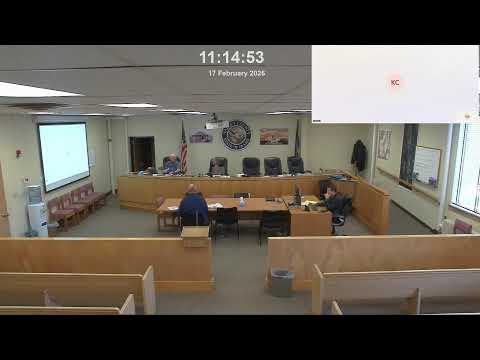
Valley County commissioners spent the latter portion of their Feb. 17 meeting in a workshop on indigent assistance, examining whether to formalize an agreement with Ignite Idaho (and possibly other nonprofits) to centralize applications and emergency assistance while ensuring compliance with state law.
County counsel summarized statutory changes tied to Medicaid expansion in 2022 and said the intent of the statute was to have medical indigent assistance handled by the state. "If someone comes and says I need assistance for health care, the process should be you redirect them back to health and welfare, get the application process started for applying for Medicaid," counsel said, explaining that county funds were then intended to be used for nonmedical assistance and subject to strict eligibility requirements.
Staff and commissioners discussed two compliance-conscious options. Counsel recommended a reimbursement model for county-funded indigent assistance: nonprofits would provide immediate help and then submit receipts to the county for reimbursement, allowing county staff to verify eligibility and preserve county oversight. Counsel noted that outright dispersal without strong reporting increases the county's exposure and audit complexity.
The board discussed program mechanics and enforcement. Commissioners asked how repayment would be handled if recipients later repaid funds; staff described existing practice of recorded liens when property is available and noted typical annual recovery amounts of $10,000–$15,000 from past indigent repayments. Staff also reported roughly $210,000 remaining in county indigent-related funds from pre-2022 levies and observed that the county contributes over $270,000 to Central District Health as a separate budgetary item.
Several commissioners said a reimbursement MOU with clear eligible-expense lists and reporting requirements could balance community need with statutory compliance. Counsel proposed drafting a policy modeled on other counties (Boise County was cited as an example) that would specify ineligible items (for example, some counties exclude first month's rent, security deposits, and payments to relatives) and require the county to retain oversight, auditing, and clawback provisions.
The board gave direction to pursue drafting options: counsel will draft a policy and an MOU that outlines eligibility checks, repayment mechanisms, and auditing requirements; commissioners requested a checklist or formal application form and emphasized the county's continuing role in oversight. No binding agreement was approved at the workshop.