
Judge Boyd begins extensive voir dire in State v. Jose Mejia murder trial
Get AI-powered insights, summaries, and transcripts
Sign Up Free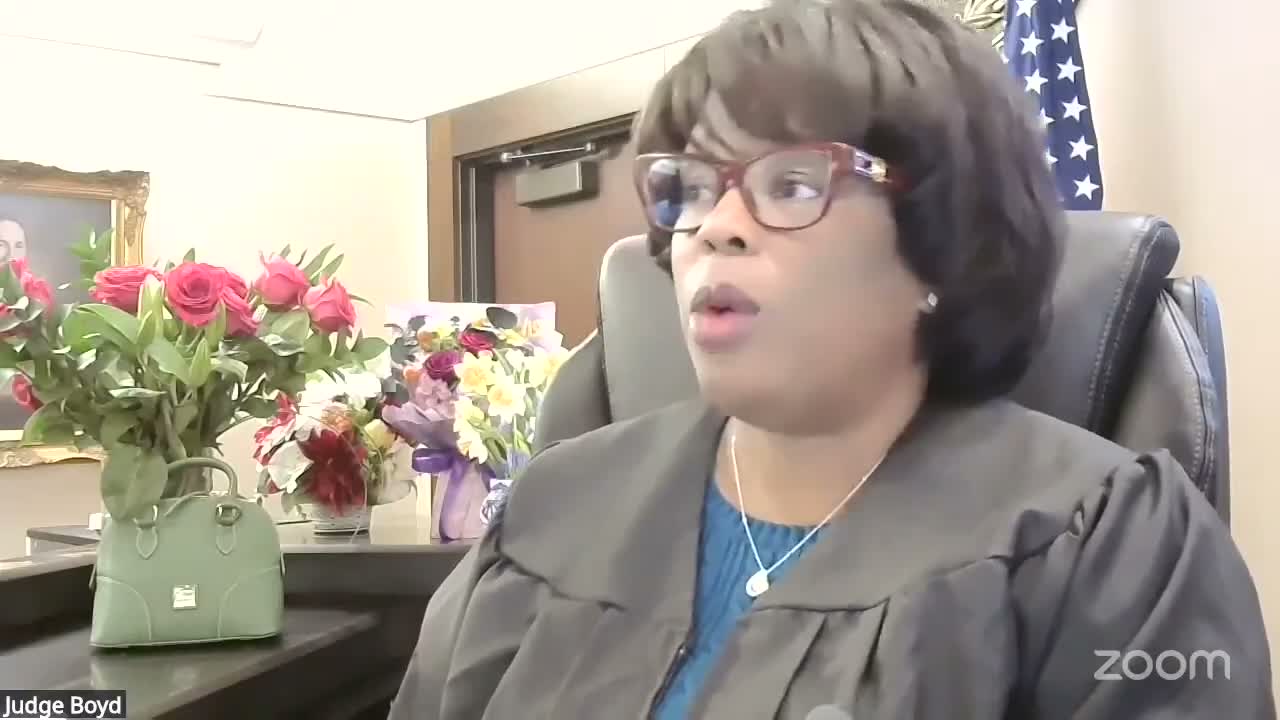
Summary
Judge Stephanie Boyd began jury selection for the murder prosecution of Jose Mejia in the 187th District Court, explaining presumption of innocence, the state’s burden of proof and the 5‑to‑99‑years (or life) sentencing range as the state and defense probed jurors for bias and willingness to consider the full sentencing range.
SAN ANTONIO — Judge Stephanie Boyd opened jury selection in State v. Jose Mejia in the 187th District Court, spending the morning explaining the criminal trial process and questioning prospective jurors about bias, credibility and sentencing.
The judge told the panel that Mejia is charged with murder and reiterated that an indictment is not evidence. “The state has the burden of proof beyond a reasonable doubt,” Boyd said, and added that jurors must not hold it against the defendant if he chooses not to testify. She reviewed the penalty range for murder — “5 to 99 years or life in prison” and a maximum fine of $10,000 — and asked whether jurors could consider the full range if a guilty verdict required moving to punishment.
State prosecutors Megan Galloway and Jeffrey Wright and defense attorneys Lindsay Shaw and Charles Bunk questioned jurors in turn. The state walked jurors through elements of murder, possible defenses such as self‑defense, and types of evidence they might see (testimony, video, physical evidence). The defense emphasized the grand‑jury process that led to the indictment and asked jurors to disclose any strong feelings about tattoos, law enforcement, expert witnesses or personal experiences that could affect fairness.
Several prospective jurors said, without hearing evidence, they could not imagine imposing the statutory minimum sentence if they found a defendant guilty of murder; others said they could consider the full range but that it would be difficult. Jurors raised language and scheduling issues; the court instructed jurors about courtroom procedure and asked those with limited English proficiency to identify themselves so the court could address access concerns.
At multiple points Judge Boyd and defense counsel stressed the jury’s role as fact‑finder and the need to judge credibility by whether witnesses’ statements match other evidence. The court recessed for lunch and instructed the panel to return at 2:15 p.m. for continued voir dire and selection.
The court identified the parties on the record: prosecutors Megan Galloway and Jeffrey Wright for the State, and Charles Bunk and Lindsay Shaw for the defense. Jose Mejia appeared in court and introduced himself during the preliminary proceedings.
Next steps: voir dire will resume after the lunch recess with additional follow‑up on jurors’ ability to be impartial and a reduction of the panel as each side exercises peremptory and cause challenges.