Get Full Government Meeting Transcripts, Videos, & Alerts Forever!
Get email alerts on the Land Use Policy topic
No spam. Unsubscribe anytime.
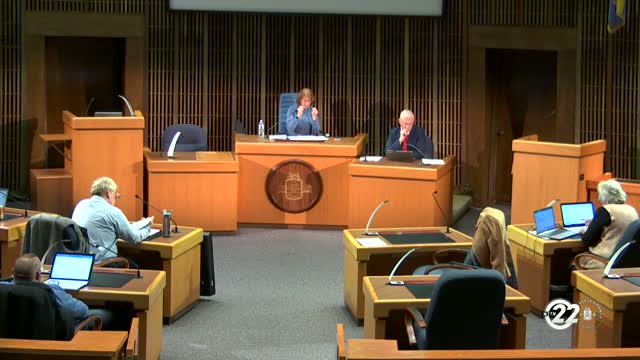
Council members debate ordinance to reduce developer voting power on open‑space changes
Summary
Ordinance 25094, authored by Councilman Koneko and co‑sponsored by Councilwoman Durham, would change UDC rules so resident‑occupied lots weigh more than developer‑owned lots when changing open‑space or common‑facility provisions; supporters called it a fairness fix while others raised stormwater and implementation concerns.
Councilman Koneko presented Ordinance 25094 to the Land Use Committee, proposing a change to the Unified Development Code so that when open‑space or common‑facility changes are made in a development, homeowner votes (occupied lots) carry greater weight than votes tied to developer‑owned lots.
Koneko framed the change as a fix for what he described as an unfair status quo in which a developer controlling many lots can outvote occupied homeowners on decisions affecting promised amenities. "Essentially what happens is a builder gets a lopsided power grab of how many votes they get on this two‑thirds requirement," Koneko said, noting past examples where open‑space commitments were altered.
Councilwoman Durham supported the idea as protecting buyers and existing residents from unilateral changes to open space and common facilities, stressing the ordinance targets major plan changes rather than minor administrative tweaks. She said the measure is about fairness for residents who have already vested in the community's promised amenities.
Opponents raised practical concerns, particularly about stormwater and infrastructure components that are commonly defined as 'common facilities.' Councilman Carter cautioned that stormwater systems can be complex and that the county has taken over some maintenance responsibilities; he suggested stormwater elements may need separate treatment to avoid unintended consequences. "The one concern I have is the changes for stormwater that have to take place," Carter said, asking that the draft distinguish stormwater facilities from other amenity governance.
No formal vote to advance the ordinance was recorded; council members asked staff and sponsors to consider clarifying language about common‑facility definitions and the treatment of stormwater, and to return with edits.