Get Full Government Meeting Transcripts, Videos, & Alerts Forever!
Get email alerts on the Opioid Settlement topic
No spam. Unsubscribe anytime.
Residents urge Lincoln County to restore nonprofit opioid‑program funding rather than fund single sheriff liaison
Summary
Public commenters told commissioners that opioid settlement dollars should be dispersed to nonprofits for prevention, harm reduction and recovery services rather than used primarily to fund a single behavioral‑health liaison in the sheriff’s office; the sheriff’s office says it already budgets recovery services and will meet with stakeholders to clarify use of funds.
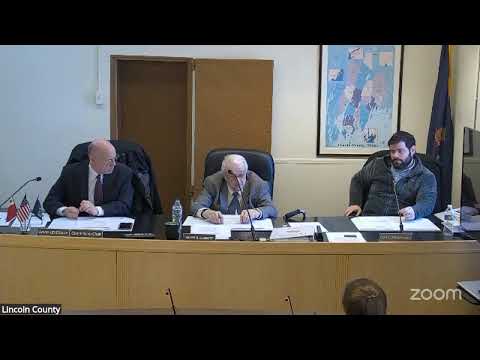
Public forum speakers on Feb. 3 urged Lincoln County commissioners to reconsider plans to allocate opioid‑settlement money primarily to a behavioral‑health liaison within the sheriff’s office, saying past distributions to local nonprofits produced broad prevention, harm‑reduction and recovery services.
At the meeting, Sharon Bailey of Jefferson — who said she lost her son to an accidental heroin overdose at age 20 — told commissioners the settlement funds are intended to help people suffering the consequences of substance use and argued a single liaison based in the sheriff’s office cannot deliver prevention, harm reduction, withdrawal management, therapy, medication and peer recovery services alone. “No one is immune to the effects of the disease of substance use disorder,” Bailey said, urging support for school‑based prevention and community programs.
Lauren Woodcock of Newcastle and Tori Amborn of the Lincoln County Recovery Community Center made similar points. Woodcock said nonprofits that received funding last year — including Healthy Kids, Hardy Roots, Healthy Lincoln County, Lincoln County Recovery Community Center and Studio B — distributed large quantities of Narcan and ran prevention and recovery programs that reached many families. “I believe that using all of the money for a mental health position in the sheriff’s department is not the best interest for the community,” Woodcock said. Amborn, a program coordinator, said she supports a liaison for crisis response but stressed that the liaison will be ineffective without adequate referral resources and community programs.
County staff and the sheriff’s office responded at the meeting. Staff noted the county has previously distributed settlement funds to multiple community organizations (they said last year’s disbursements totaled roughly $240,000 to eight to ten organizations) but that future settlement receipts and timing remain uncertain while the Purdue Pharma litigation and other settlements continue. Sheriff Brackett (as referenced in the discussion) said the county maintains an addiction resource program, that deputies carry Narcan and that the county budgets roughly $150,000 a year toward addiction‑resource efforts including peer and recovery coaches. He invited public commenters to meet with him and with county staff to review how funds are being spent.
No formal reallocation motion was offered at the meeting. Commissioners encouraged the concerned residents to meet with Sheriff Brackett and county staff so the group can have a shared understanding of the liaison’s role and existing addiction‑service spending. County staff also said some settlement payments arrive as multi‑year streams while others are periodic; the amount and timing of future distributions remain “not specified.”
Next steps: staff offered to arrange meetings between the sheriff’s office and community organizations so commissioners and residents can review the liaison’s duties and the county’s existing investments in recovery services.