
O'Fallon resident urges council to back hand‑counted paper ballots after Supreme Court action
Get AI-powered insights, summaries, and transcripts
Subscribe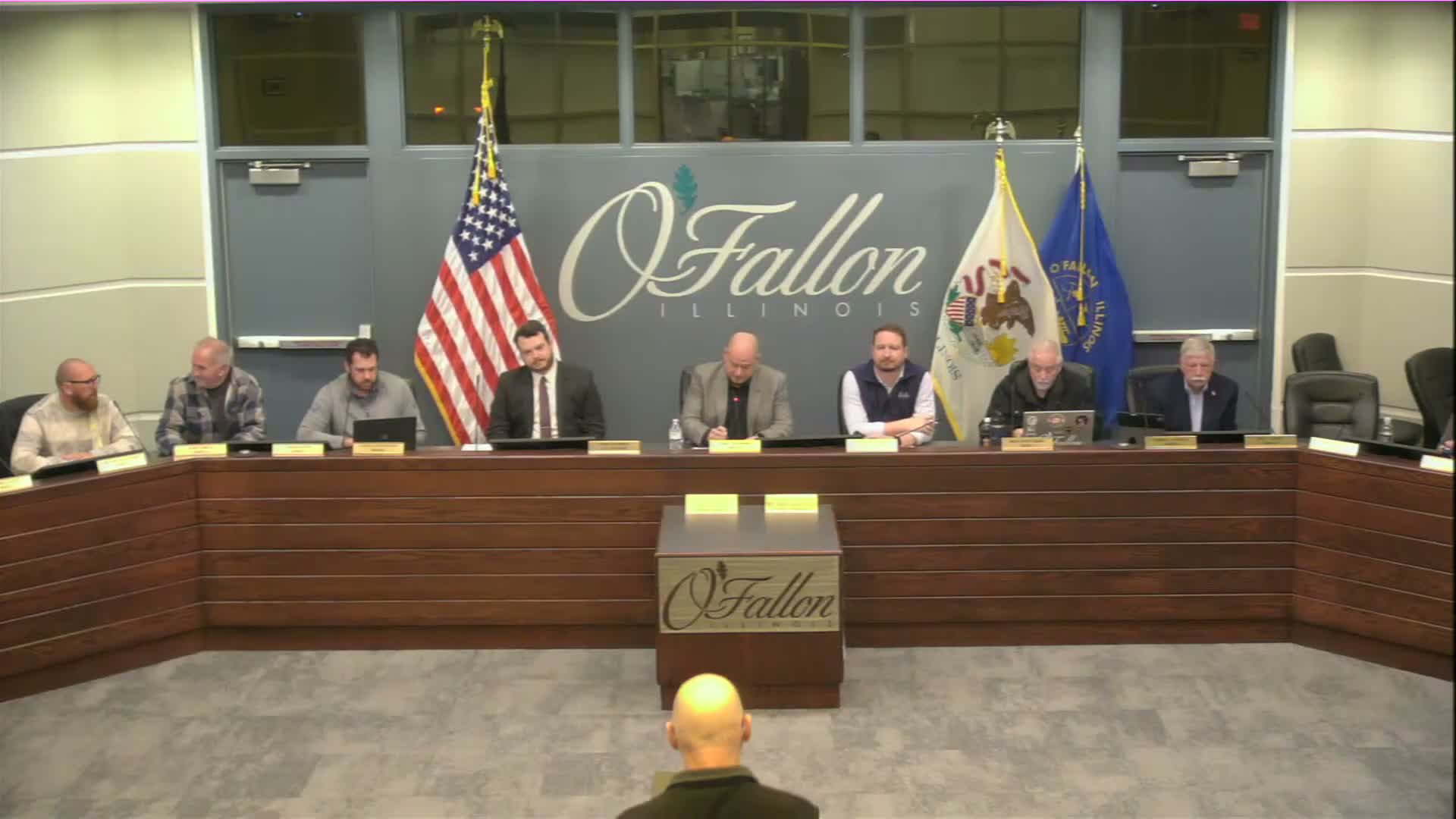
Summary
Doug Gaines of Ward 5 told the O'Fallon City Council the U.S. Supreme Court reversed and remanded Boss v. Illinois State Board of Elections and urged the city to support hand‑counted paper ballots and notify county election officials that O'Fallon will not accept current electronic ballot machines.
Doug Gaines, a resident who identified himself as representing Ward 5, used the council's public comment period on Feb. 17 to urge the O'Fallon City Council to support hand‑counted paper ballots following a recent U.S. Supreme Court decision.
Gaines told the council the Supreme Court reversed and remanded Boss v. Illinois State Board of Elections and said that decision gives candidates standing to challenge local vote‑counting rules. He argued local election officials must “prioritize strict adherence to federal election day mandates to avoid lawsuits” and described electronic ballot machines (EBMs) as structurally insecure, citing analysis by an election‑machine expert, Tory Morris. “Return to paper ballots hand counted in public view,” Gaines said, adding he was willing to provide resources and consult with the city.
Gaines also referenced the Office of the Director of National Intelligence (ODNI) and Executive Order 13848 in arguing that certain vulnerabilities can rise to a national security concern if foreign exposure exists. He said the city and county “inherit these national flaws in the ES and S machines used in our elections” and characterized hand counting as a way to restore public trust.
Council took no formal action on Gaines’s request during the meeting. The mayor thanked him for his comments and the council proceeded with the published agenda. The clerk’s report and several routine agenda items followed; the council later moved into executive session where resolution 7.3 was scheduled to be considered when open session resumed.