
Committee advances bill to prevent franchisors from imposing new religious‑day work requirements
Get AI-powered insights, summaries, and transcripts
Subscribe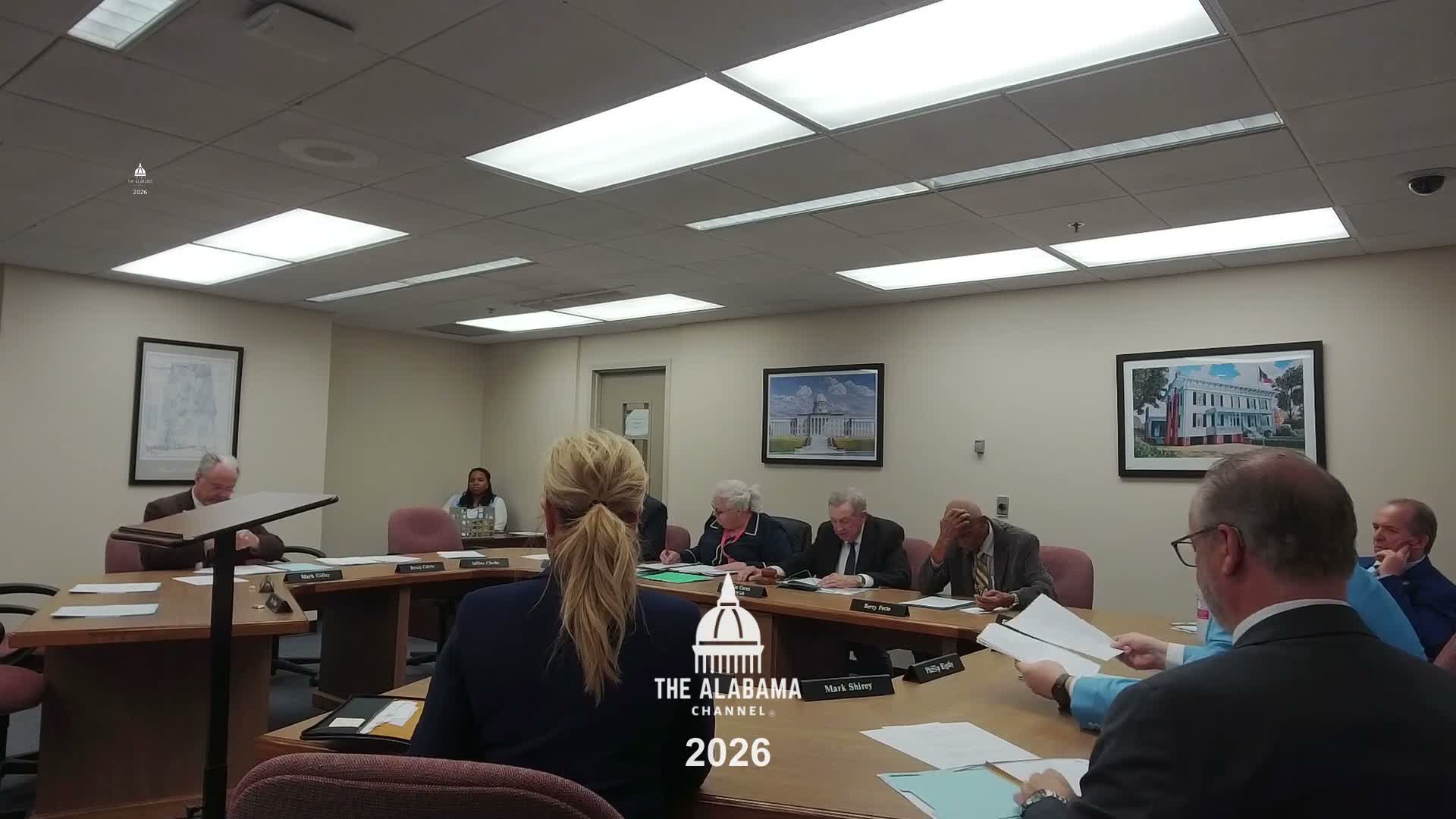
Summary
A House committee advanced Senate Bill 138 after adopting an amendment; the measure would bar franchisors from adding new requirements that force franchisees to operate on days that conflict with the franchisee’s sincerely held religious beliefs and would create civil remedies for franchisees who allege violations.
A House committee moved forward with Senate Bill 138 after members adopted an amendment clarifying how existing franchise agreements are treated.
An unnamed presenter told the committee the bill, modeled on Utah’s HB 1441, would prevent franchisors from imposing new religious‑day operation requirements on existing franchisees when those requirements conflict with a franchisee’s sincerely held religious beliefs. "It does not. It only prevents franchisors from adding new religious day operation requirements after the contract is originally signed," the presenter said.
The presenter said the bill would not force franchisors to close businesses on Sundays or other religious holidays and would not override existing franchise contracts. "The answer is unequivocally no," the presenter said when asked whether the bill would override existing agreements. The bill would, the presenter said, establish civil remedies and penalties so franchisees "can have a clear legal path if a franchisor violates that law."
Committee members discussed real‑world examples during debate, citing national chains and concerns raised by hotels and other franchise operators about operational expectations. An amendment was introduced to replace specified lines clarifying that where a franchise agreement already in effect imposes a religious‑day operation requirement, that contract language is addressed by the text before the committee. The amendment was moved, seconded and adopted by voice vote; the chair announced the amendment "is adopted." No roll‑call tally for the amendment appears in the transcript.
After adopting the amendment, a motion to move SB 138 was made (mover recorded as Rick May, second recorded as Sherry) and members voted by voice; the transcript records the "aye" responses but does not include a roll‑call tally or a written vote record.
The bill sponsor framed the measure as protecting franchisees who have invested financially from being forced to choose between their faith and their livelihood and as promoting transparency in franchise agreements by requiring days and hours of operation to be disclosed rather than imposed after a franchisee has invested. The presenter cited Utah HB 1441 as the model for the bill and said national groups including the International Franchise Association had previously negotiated similar language and described themselves as neutral on the Utah measure.
The committee moved on to its next item after the voice votes. The transcript does not record a formal roll‑call vote on final passage within the portion provided; recorded actions in the transcript include the amendment adoption and the motion to advance SB 138 by voice vote.