Get Full Government Meeting Transcripts, Videos, & Alerts Forever!
Get email alerts on the Public Comment Emergency Authority topic
No spam. Unsubscribe anytime.
Public commenters press Franklin County on emergency-management authority and record requests; counsel, prosecutor clarify limits
Summary
Public speakers alleged improper authority and potential misconduct involving emergency-management actions and county officials; county counsel and the prosecutor told the board that commissioners do not have unilateral authority to command other agencies and outlined that emergency response is collaborative under mutual-aid agreements.
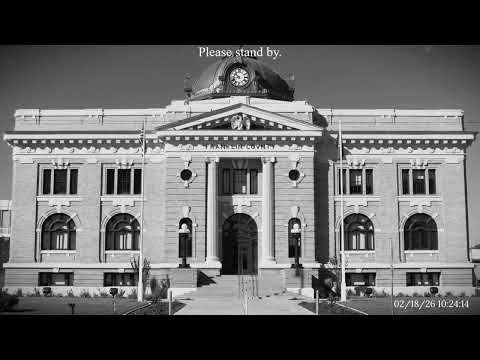
FRANKLIN COUNTY — Multiple members of the public used Friday’s commissioners meeting to press concerns about emergency-management authority, public records and alleged misconduct. Commissioners and county legal staff responded on the record, clarifying the limits of commissioner authority and describing available legal remedies for harassment.
What was said: Michelle Andries began public comment by invoking constitutional protections and arguing the county must adhere strictly to constitutional limits. "My rights will not be abridged," she said during remarks that included claims about migration and treaty status that she urged the board to consider.
Former fire chief Brian Thornhill directly questioned statements he said had been made in prior meetings — that a commissioner could take command of emergency-response agencies in an incident. Thornhill said he had raised the matter with county attorneys and the sheriff and reported being told that a commissioner does not have that authority: "He does not," Thornhill said, referring to his conversation with counsel.
County counsel and the prosecutor responded: Jeff Briggs and Prosecutor Sean Sam described emergency response as a collaborative process governed by mutual-aid agreements and emergency declarations, not unilateral direction from a single elected commissioner. Briggs told the board on the record that he had "never ... thought that I have authority over a sitting fire commissioner or a sitting chief of a fire district in any way, shape, or form." Sam reiterated that agencies coordinate resources and that a declaration of emergency opens specific expenditure authorities, but does not create a mechanism for one elected official to direct another agency's operations.
Allegations and next steps: Another public commenter alleged she had obtained public records she said showed false investigations and suggested possible federal crimes; she said she will present those materials. Commissioners did not act on those allegations at the meeting but discussed options for stopping harassment and noted that anti-harassment petitions and other legal remedies exist. The board moved into executive session later in the meeting to discuss litigation and returned with no immediate on-the-record decisions related to the public allegations.
Context: The exchange underscores recurring tensions between some members of the public and county officials around operational authority in emergencies and the handling of records and investigations. Counsel and the prosecutor framed the proper avenue for resolving disputes as legal processes rather than unilateral operational orders.
What’s next: The commenter said she would present records; the board and counsel indicated they would continue to address harassment concerns and legal questions through appropriate channels. No formal disciplinary or criminal actions were taken during the meeting.