Appomattox residents press board for transparency, moratorium on proposed data center
Loading...
Summary
Dozens of residents told the Appomattox County Board of Supervisors they lack information about a proposed data center, raising concerns about water use, noise, tax abatements, NDAs and decommissioning; the county attorney advised revising zoning safeguards but no new action was taken.
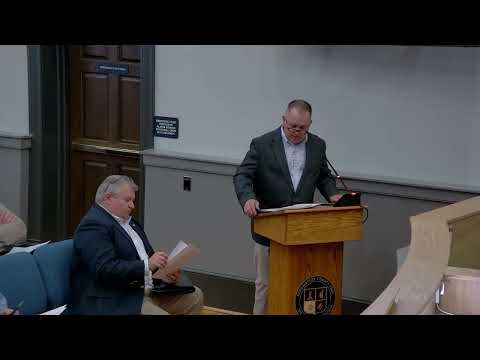
Dozens of residents used the Board of Supervisors' citizen comment period to press for greater transparency and safeguards around a proposed data center in Appomattox County's industrial park.
Faye Coleman, who said her home sits about one mile from the site, asked the board to “put a moratorium in place so that studies can be performed by an independent, nonbiased company,” arguing the Economic Development Authority negotiated the deal without adequate local impact studies. Sarah Ellinger told the board, “What is your contingency plan for this data center? What will happen to a campus that may be obsolete in 5 to 10 years?” and asked for clarity on soil restoration, water use and whether the county can enforce dark-sky lighting standards.
Other speakers raised similar concerns: Thomas Roof warned of higher electricity costs for residents, Steve North cited project power figures he said begin at 300 megawatts and could grow to 1,000 megawatts, and Susan Walton criticized an option-to-purchase agreement executed under non‑disclosure protections and said the sale price in the park appeared far below comparable land values.
Several speakers accused the EDA of secrecy and reliance on nondisclosure agreements; Sandy Glass and others urged regional coordination to resist what they described as a pattern of “clustering” when one facility attracts more. Matthew Mitchell reminded the board residents “want answers, which we haven't received,” and questioned EDA governance and legal counsel’s handling of the contract.
County Attorney (unnamed) responded later in the meeting, saying he did not draft the contract referenced by speakers, described the document as “poorly written” and warned the project may have acquired vested rights under Virginia law that would allow it to proceed. He recommended the board consider a formal process to amend the zoning ordinance to add safeguards for future projects — examples included decommissioning plans or sureties, noise restrictions, setbacks and other conditions — but made clear that such ordinance work would be a separate, forward-looking process.
No moratorium or formal board directive was adopted during the meeting. The board accepted public comment and the county attorney recommended beginning ordinance review and policy work to address the issues raised.
What happens next: the county attorney suggested zoning and policy changes as a multistep process; residents seeking immediate changes asked board members to place related items on future agendas or pursue technical studies before any further approvals.