Get Full Government Meeting Transcripts, Videos, & Alerts Forever!
Get email alerts on the Education Staffing topic
No spam. Unsubscribe anytime.
Hazleton Area SD board hears calls to tackle overcrowding and grow bilingual staff
Summary
Board members highlighted overcrowded elementary classrooms and persistent shortages of bilingual paraprofessionals and teachers, urging the administration to study trailer placement and pursue ‘grow our own’ recruitment and grant opportunities.
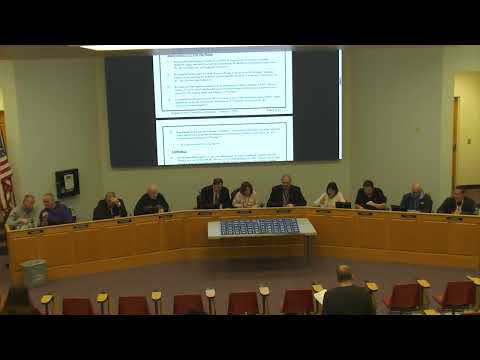
At a regularly scheduled Hazleton Area School District board meeting, members pressed administration to address overcrowded elementary classrooms and a shortage of bilingual paraprofessionals and teachers, urging short- and long-term steps to expand capacity.
Board members approved a slate of curriculum and facilities items, then spent several minutes discussing the district’s Career & Technical Education programs and possible classroom expansions. One board member said some primary classrooms are operating with 25 to 30 students and asked the administration to provide cost estimates and siting options for temporary trailers. The administration cautioned that locating trailers is constrained by existing playgrounds and site features and suggested the board raise the topic again at a March 18 meeting.
The conversation shifted to staff shortages. A board member urged the district to pursue a “grow our own” initiative to recruit bilingual paraprofessionals who could become teachers, saying the approach could attract grant funding. The speaker noted the district’s substantial Spanish-speaking student population and criticized delays in negotiating with paraprofessional labor representatives. The administration said human resources is working on recruitment and that the district has used emergency teacher certification—allowed for up to three years—to fill classroom gaps.
Board members also noted practical benefits of conferences for staff and board members, citing vendor contacts that led to security upgrades such as window film and x-ray screening equipment, while asking whether funding board members’ attendance could raise conflict-of-interest concerns (see separate article). The board did not adopt new policy at the meeting; members asked administration and the district attorney to research legal limits on attendance and funding and to advise whether abstentions would be required in some cases.
The board approved related agenda items, including curriculum and several facilities and capital projects, and scheduled follow-up on overcrowding and staffing at a future meeting.