
Head Start providers and reentry advocates push prevention-first approach to keep children out of justice system
Get AI-powered insights, summaries, and transcripts
Sign Up Free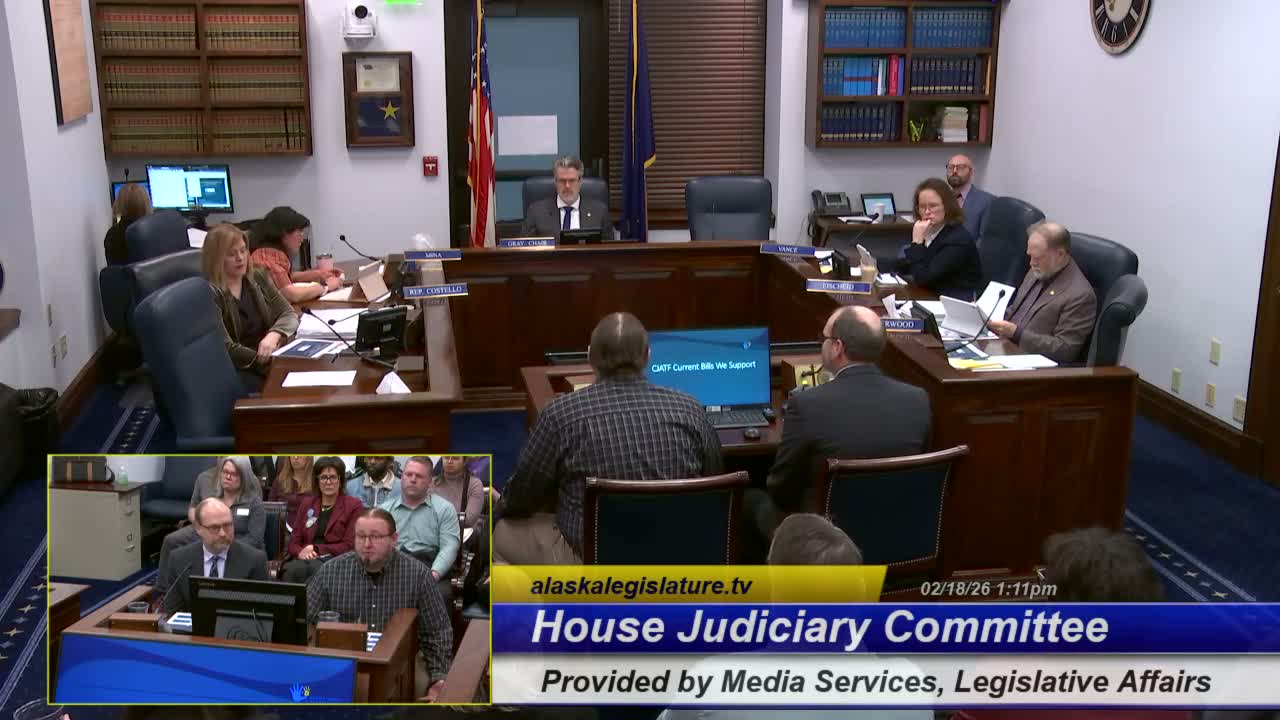
Summary
Head Start providers and Reentry Coalition speakers told the House Judiciary Committee coordinated early supports, family partnerships and trauma-informed school services prevent escalation into child-welfare and justice systems; they offered program examples and personal testimonies from parents and formerly incarcerated advocates.
Multiple presenters told the House Judiciary Committee that prevention and early intervention across schools and community programs reduce later justice involvement.
Katrina Allfield, executive director of Kids Corp Head Start, and Mark Lackey, executive director of CCS Early Learning, described Head Start’s comprehensive model of early education, health screenings, family engagement and mental-health supports. They cited longitudinal studies linking Head Start access to lower later criminal charges and improved lifetime outcomes and presented a local case where Head Start coordinated services that prevented OCS involvement and stabilized a family.
Parents and policy-council members gave first-person accounts of Head Start services helping children with developmental delays access diagnoses, therapy and educational supports. Daniel Tucker and Marveland Joy Kabuhot described speech gains and improved access to services for their children after Head Start enrollment.
Terry Tibbitt of the Alaska Center for FASD emphasized prenatal alcohol exposure is underdiagnosed and that early identification and tailored supports reduce the likelihood of school failure, justice involvement and costly downstream care.
Sam Garcia and Robert Feder, speaking with the Reentry Coalition, gave personal narratives of childhood trauma, early substance use and system involvement and urged funding for school counselors, trauma-informed teacher training, and sustained community supports so children can be identified and helped before arrests or placements occur. "Please just support any policies or funding that will put resources in front of kids early," Garcia said.
Speakers agreed that prevention requires stable funding and workforce supports, particularly in rural Alaska where staffing and travel present barriers to timely services. Committee members thanked presenters and took no formal action during the hearing.