
Council presses staff for code‑enforcement case‑management plan, timelines and training
Get AI-powered insights, summaries, and transcripts
Subscribe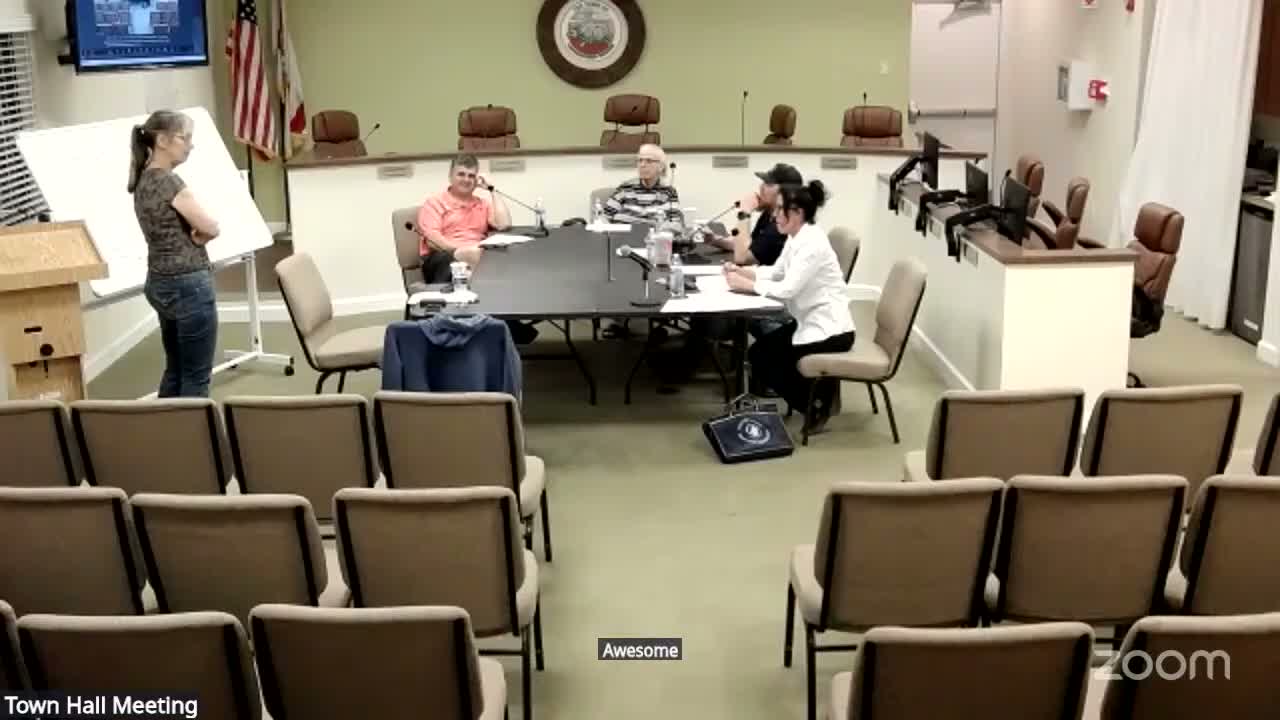
Summary
After residents described selective enforcement and longstanding unresolved complaints, councilors asked the community standards director to present a code‑enforcement improvement plan within 90 days that addresses training, measurable case metrics and magistrate process issues.
Residents and council members at the Town of Loxahatchee Groves workshop raised persistent concerns about selective enforcement, delayed case resolution and missing complaint records. In response, council directed the community standards/code enforcement lead to present a plan within 90 days outlining how the department will improve case management, training, and magistrate outcomes.
A resident who identified ongoing personal cases said staff had delayed action on a code matter for more than a year, creating "a lack of trust" in consistent enforcement. The council and several speakers agreed that complaint handling must be transparent and measurable: one councilor asked for a presentation in 90 days describing how the department will achieve "measurable consistency, transparency, and professional" enforcement.
Why it matters: Effective code enforcement affects property values, neighborhood quality and public trust in local government. Several participants said some cases stagnate—sometimes because required studies or FDA/FEMA items are not produced—and that better case tracking, timelines and training are needed for staff to present effective cases to the magistrate.
Key directives and clarifications
- Presentation requested: Council asked the community standards director (Karen) to present within 90 days a strategy to improve case management, identify training needs, and explain resource gaps that prevent timely resolution.
- Data and transparency: Speakers asked for traceable records of complaints (entered into systems such as MGO Connect or a replacement) and public case metrics (number of open cases, new cases, closures and reasons for administrative closures).
- Staffing and legal support: Several councilors suggested senior staff or legal counsel should present magistrate cases rather than frontline officers, and recommended additional or specialized training for rural code enforcement if needed.
Quotes
"We need measurable consistency," an unidentified councilor said, pressing for performance metrics and transparency in complaint handling.
"I think Ramsey understands that we want to see results," another councilor said, underscoring expectations for follow‑through on long‑running problem properties.
Next steps
The council set a 90‑day timeframe for a departmental presentation that outlines how code enforcement will improve case progression to magistrate, how transparency will be increased, and what resources or training are needed. Staff were told to include metrics and recommendations that council can evaluate and, if necessary, fund.