Get Full Government Meeting Transcripts, Videos, & Alerts Forever!
Get email alerts on the Public Comment topic
No spam. Unsubscribe anytime.
Tenants tell Evanston committee of overcharges and repairs delays; landlords warn of unintended consequences
Summary
Dozens of residents and landlords gave two‑minute public comments Feb. 17. Tenants and tenant unions described illegal fees, slow repairs and threats of displacement tied to large owners; landlords and property managers warned that just‑cause and right‑to‑purchase proposals could raise rents, delay sales and chill small owners.
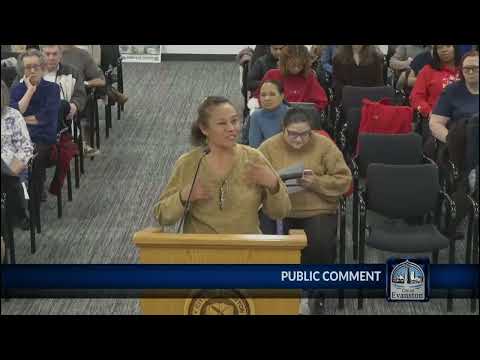
Dozens of public commenters spoke at the Housing & Community Development Committee meeting Feb. 17, giving sharply contrasting accounts of conditions in Evanston rental housing and how the city should respond.
Tenants and advocates from tenant unions described frequent maintenance delays, surprise fees and a pattern of behavior they attribute to a private equity owner. "By the time I joined the tenants union, people had been fighting for months, and some residents, fed up or priced out, had left," said Katie McDonald, a member of the Quadrell Evanston Tenants Union, who asked the city to enforce the Evanston Residential Landlord and Tenant Ordinance and hold large owners accountable.
Several tenants and nonprofit advocates urged the committee to pursue tenant protections such as just‑cause eviction standards, rental assistance expansion and a right to counsel for eviction defense. Dominic Faz, director of Fair Housing at Open Communities, urged the committee to consider a right‑to‑counsel pilot modeled on Chicago examples and cited peer‑reviewed research when disputing claims that just‑cause laws reduce housing production.
Landlords and property managers gave a different picture. "These issues are costly," said Eric Passett, who manages more than two dozen buildings, citing legal fees for eviction proceedings and warning that onerous new rules would push small owners to sell. Aaron Bornstein, representing a suburban housing provider group, said tenant purchase programs and just‑cause provisions would create uncertainty and discourage investment.
Why it matters: The intensity and breadth of public testimony underscored the political dynamics the committee must weigh — strengthening tenant protections to reduce displacement versus limiting regulatory burdens that some landlords say will reduce available rental housing.
Representative testimony - Katie McDonald (tenant, Quadrell tenants union): described move‑in fees, delayed repairs and alleged illegal charges; asked the city to enforce the RLTO and hold NorthPark Ventures accountable. - Arushi (tenant union member): described four‑day delays in basic repairs and alleged illegal fees across multiple buildings managed by the firm cited. - Jim McKee and other long‑time landlords: urged the committee to avoid quick adoption of broad rules without carve‑outs for small owner‑operators and suggested convening stakeholders for better wording.
Committee response and next steps Committee members thanked speakers and said the public testimony shaped their deliberations. Some members expressed interest in targeted policies aimed at corporate landlords while protecting small landlords from unintended consequences. The committee voted to explore a just‑cause policy and asked staff to return with enforcement options, cost estimates and drafting that aims to target large bad actors while minimizing burdens on small landlords.
Ending note The record of public comment and the committee’s subsequent votes mean the debate will continue in follow‑up staff reports and at the full City Council meeting when the plan and any specific ordinance language are considered.