
Alaska Senate Republican caucus urges support for gas-line project, warns against legislative delays
Get AI-powered insights, summaries, and transcripts
Sign Up Free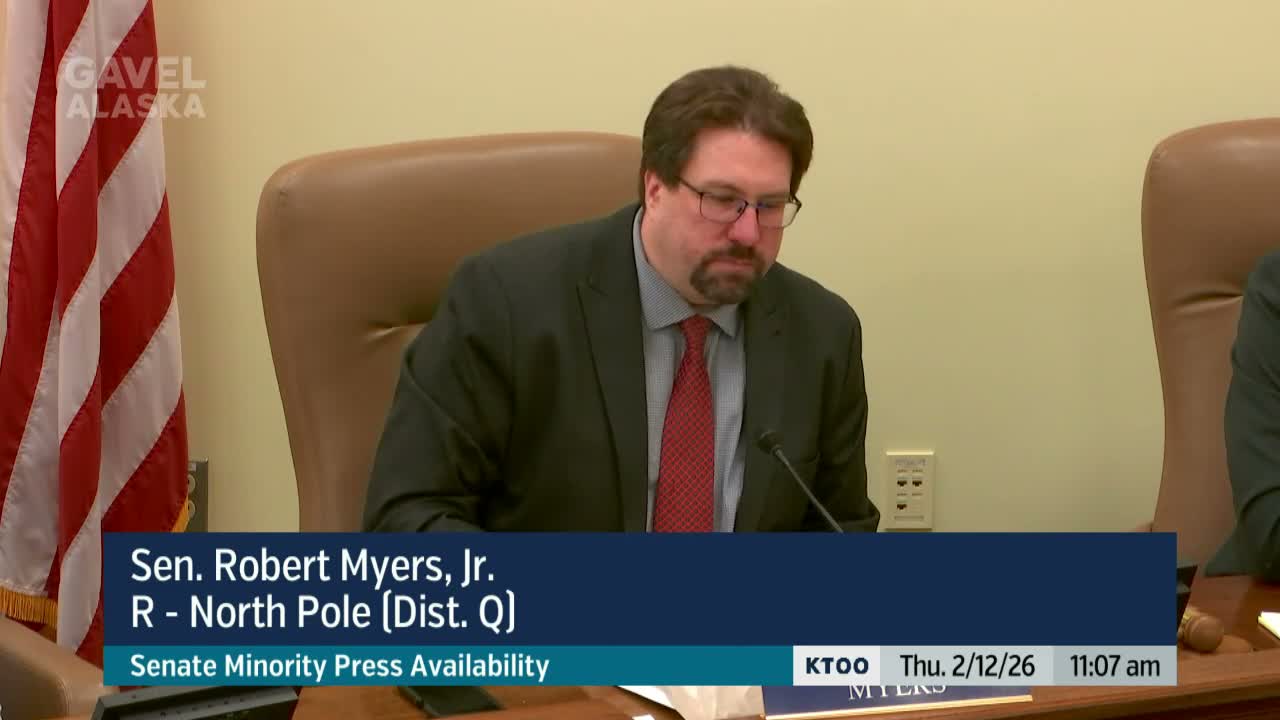
Summary
Senate Republican caucus leaders said the gas pipeline project could be transformational for Alaska but warned that legislative action should not be the source of delay; members urged tying fiscal planning to realistic project milestones and signed gas-sale agreements.
Senate Republican leaders on Tuesday said they back the proposed gas-line project’s potential economic benefits for Alaska while cautioning that legislative missteps could slow progress.
Senator Myers, a resources committee member, said the project “has the prospect to be transformational for us as a state” and urged lawmakers not to be the reason the project fails. He noted producers including Exxon and Hilcorp have signed gas sales agreements with Glenfarne and that Glenfarne has filed initial regulatory documents with the Federal Energy Regulatory Commission (FERC), but reported that the timing of a final investment decision has slipped.
The caucus emphasized that any revenue assumptions tied to the gas line should be grounded in firm commitments. “If there is anything that slows it down or stops it, then we don’t want to be the cause of that,” Myers said. Members repeatedly framed their support as conditional on progress — particularly the signing of export-oriented gas-sale agreements necessary to reduce energy costs for Alaskans.
Senator Kaufman and others said fiscal plans that rely on optimistic gas-line projections must include safeguards. They urged that revenue forecasts be conservative and tied to verifiable milestones so state budgeting is not destabilized if the project timeline changes.
The caucus’s remarks came amid a round of resource committee hearings and testimony from industry; members said they are monitoring filings with federal regulators and private-sector readiness but want the Legislature to avoid introducing uncertainty that could deter investment.
The caucus did not announce a formal legislative action at the meeting. Lawmakers said oversight and carefully sequenced budget and statutory decisions will guide next steps as the session continues.