
Fayette County commissioners approve letter committing up to two Freightliner trucks for highway department
Get AI-powered insights, summaries, and transcripts
Subscribe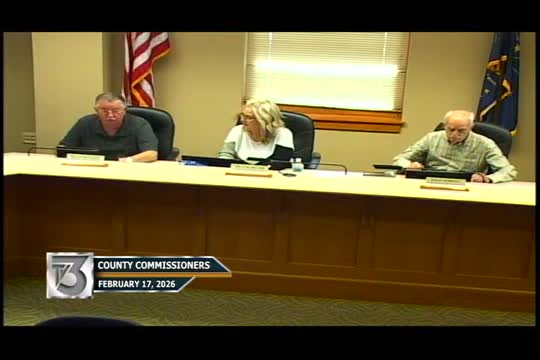
Summary
County highway staff secured a board vote to sign a letter of commitment to have Freightliner build up to two replacement trucks now, with commissioners discussing financing options and grant timing before approving the action by voice vote.
Fayette County commissioners voted Feb. 17 to authorize a letter committing the county to order up to two new Freightliner trucks for the highway department to address an aging fleet.
Chris Kinneger, who presented the highway report, told commissioners the county’s newest truck is a 2013 model and several units are in “dire shape.” He recommended ordering two identical Freightliners to standardize parts, maintenance and reduce long‑term costs, noting lead times for chassis and outfitting mean ordering months before the trucks are needed. "My recommendation is we buy 2 identical trucks, so we know what we got," Kinneger said.
Commissioners discussed cash purchases versus financing and possible grant timing. Speaker 2 said an anticipated additional round of Community Crossings/CCMG funding could affect the county’s position and financing choices. Kinneger said the county could pay for one truck when it arrives and use 2027 funds or financing for a second if necessary: "If that's what it takes, we'll have to just do that." After discussion Speaker 5 moved and Speaker 2 seconded a motion to approve signing a letter of commitment "up to 2 trucks;" the motion passed on a voice vote.
The transcript includes a quoted Freightliner price string as stated by Kinneger: "They are freight liner, $2.68 4 per truck"; commissioners noted additional options, such as steel versus stainless beds and tradeoffs for long‑term maintenance. They also discussed the county’s ability to defer other purchases (for example, a wheel loader) and the risk of needing to finance at least one truck depending on year‑end cash flow and grant outcomes.
Next steps: the county will sign the letter of commitment and continue to finalize financing and grant planning before trucks are delivered in late summer/early fall, when chassis and beds are expected to be ready.