Get Full Government Meeting Transcripts, Videos, & Alerts Forever!
Get email alerts on the Economic Development topic
No spam. Unsubscribe anytime.
Committee advances bill tightening enterprise‑zone incentives, setting $400 million threshold
Summary
HB 1129 would limit enterprise‑zone incentives to major redevelopment projects with at least $400 million in capital investment, prohibit revenue bonds from reimbursing private investors, cap designations within a redevelopment area, and bar casino projects. The subcommittee voted by voice to advance the bill to the full committee.
Representative Seabaugh presented House Bill 1129 on behalf of the governor, saying the bill strengthens Georgia's enterprise‑zone program (Code section 36‑86) by focusing incentives on large redevelopment projects and adding taxpayer protections.
The bill would require that a redevelopment project involve at least $400,000,000 in capital investment to qualify for enterprise‑zone designation, Seabaugh said, arguing the threshold ensures incentives target projects that create substantial jobs and transform communities rather than small developments that do not need public incentives. The bill also would bar the use of public redevelopment bond funds to directly or indirectly reimburse a developer's private capital, specifying that public money be used for public improvements such as roads and utilities.
Seabaugh told the committee HB 1129 would also limit the number of enterprise zone designations to no more than four within a redevelopment area and explicitly exclude casino gambling projects from enterprise‑zone incentives.
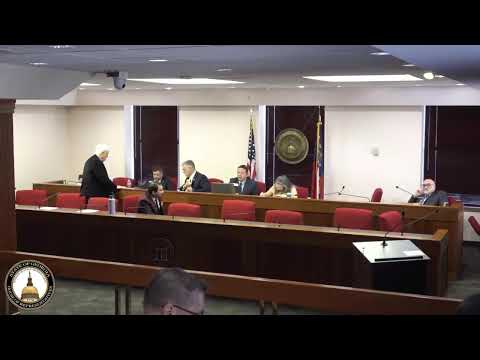
Committee members had brief questions about the bill's scope; the chair moved to pass the measure out of subcommittee and a voice vote was recorded in which members answered 'Aye' and no opposition was voiced on the record. The chair placed the bill for consideration before the full committee.
Next steps: HB 1129 was advanced to the full committee by voice vote.