
Wissahickon board approves preliminary $140.9 million budget, authorizes state exception request
Get AI-powered insights, summaries, and transcripts
Subscribe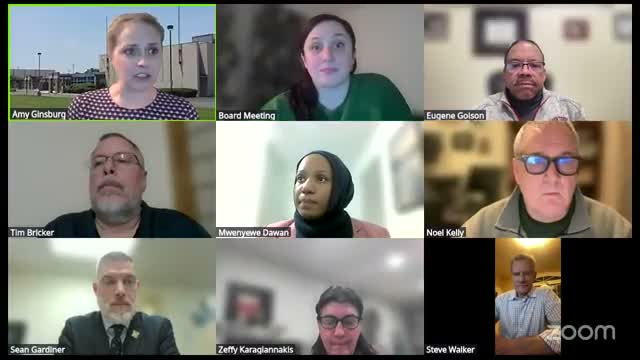
Summary
At a special meeting the Wissahickon School District board approved a $140,939,281 preliminary budget and authorized staff to apply for a special-education exception to exceed the Act 1 index, seeking a 5.1% cap. The vote passed 7–0 with two absences.
Wissahickon School District — The Wissahickon School District Board of Directors on Tuesday evening approved a preliminary $140,939,281 budget and authorized administration to file for a state special-education exception that would allow the district to exceed the statutory Act 1 index and seek a maximum tax increase of 5.1 percent.
The move is procedural: the board approved the preliminary budget for submission to the state, not a final tax rate or the final budget. Steve, the finance committee presenter, told the board the administration’s plan shows $140,939,281 in total expenditures and projects $139,569,544 in revenue, creating a shortfall in the preliminary plan. “This preliminary budget is … for a $140,939,281,” Steve said, and the presentation shows revenue expected at $139,569,544.
Why it matters: Pennsylvania’s Act 1 index generally limits school districts to a 3.5 percent local tax increase; districts can apply for exceptions when their costs — commonly special-education expenses — exceed the index. District officials said they are seeking the special-education exception to increase the allowable limit from 3.5 percent to 5.1 percent, which would give the district flexibility to address higher special-education costs.
Board members pressed administration for process details. The administration said the preliminary vote is one step in a series: staff will file for the exception before the month-end filing window referenced in the meeting, expect a state response in March, and plan follow-up finance committee reviews in March, April and May. The administration said the board will vote on a proposed final budget in April and a final budget roughly 30 days after that.
Several board members emphasized the budget remains unfinished and that approval tonight does not eliminate difficult choices. “Even with that in place, there is still a deficit of about $1,400,000 that we have to deal with,” said Mister Antonio, a director, who said the board and administration will likely need to identify expense reductions ahead of final adoption.
The board made the motion to approve action item 4.1 — the preliminary budget as presented for submission to the state — which was seconded on the record. Because some members could not use the raised-hand feature during the remote meeting, the board conducted a roll-call vote. The clerk recorded seven yes votes (Mister Antonio; Mister Badger; Mister Gholson; Miss Karinaikas; Mister Kelly; Mister Walker; Missus Ginsburg) and two absences. The chair declared the motion approved.
Next steps: Administration will proceed with the state exception filing process and the finance committee will continue line-by-line budget review at scheduled meetings. The preliminary approval sets the district’s requested maximum at 5.1 percent pending state approval and later board votes on the proposed and final budgets.
The special meeting then adjourned.