Get Full Government Meeting Transcripts, Videos, & Alerts Forever!
Get email alerts on the Consent And Personnel topic
No spam. Unsubscribe anytime.
Spring-Ford board approves routine consent items; honors 13 retiring staff and schedules Feb. 11 capital-planning meeting
Summary
The Spring-Ford Area School District board approved routine minutes, personnel items, finance, programming, conferences and property votes (all by 8–0 voice votes). The meeting highlighted 13 retirees with a combined ~362 years of service and announced a Feb. 11 community meeting on a 10-year capital plan.
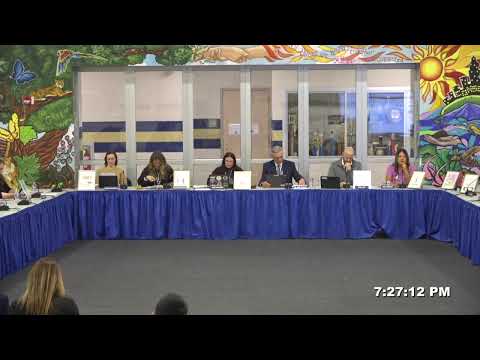
The Spring-Ford Area School District board on Jan. 29 approved a slate of routine consent items — including minutes, personnel sections a–j, finance sections a–i, programming, conferences, and property items — in a series of unanimous voice votes, each announced as carrying 8–0.
During discussion of personnel items, Superintendent Dr. Scanlon said the district is accepting the retirements of 13 staff members who together have "some 362 years of service" to district students. He named several long-serving employees in the transcript: Diane Snelling (30 years), Karen Schottle (35 years), Lisa Pupo (32 years), Alice Alba (37 years), Heidi Hoots (37 years), and Marilyn Nepps (41 years), and offered the board’s thanks.
Separately, the superintendent and staff highlighted community partnerships and outreach: the Royersford Giant Food store’s ‘‘round up for schools’’ campaign (reported as raising about $8,000 last year) and a second community meeting to discuss the district’s capital-planning process. The capital-planning meeting is scheduled for Wednesday, Feb. 11 at 6 p.m. at the high school; agenda topics will include full-day kindergarten, reducing transitions, middle-school models, and renovation/addition cost estimates for the district’s 10-year plan with a final recommendation expected at the March board meeting.
The meeting also received a Joint Operating Committee report: the Western Center’s preliminary budget was described as a 3.3% increase (noted as the lowest percent increase in about 10 years); SkillsUSA student presentations and expanded program enrollments were highlighted. No public comments were made during the allotted public-comment periods.
The board adjourned after a final roll call and a motion to adjourn, with no further public comment on the record.