Get Full Government Meeting Transcripts, Videos, & Alerts Forever!
Get email alerts on the Animal Control topic
No spam. Unsubscribe anytime.
Freeport to pilot co‑op animal‑trapping program after resident reports heavy raccoon infestations
Summary
After a resident reported dozens of raccoons and other vermin damaging property and posing safety risks, the council approved a capped co‑op trapping contract with a licensed contractor and discussed limits in city ordinance and homeowner cost‑shares.
The Freeport City Council approved a pilot, co‑op program to help residents manage problematic wildlife after a public comment described prolonged infestations and personal costs.
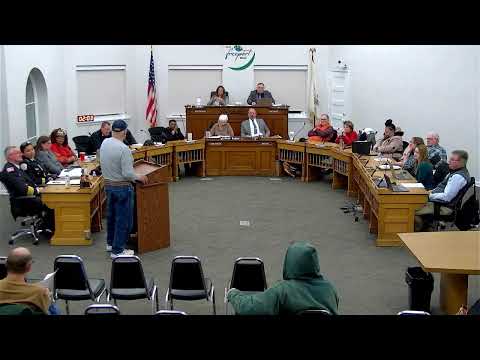
At the meeting the clerk read an email from April Lenore describing what she said were extensive infestations near 711 East Pleasant Street. The statement said, "Over the last year alone, I have paid to have trapped 38 raccoons, 16 opossums, and 4 skunks," and asked the city to take immediate action to protect neighborhood safety.
Staff recommended accepting a single responsive bid from Knight Site Solutions to provide trapping services for up to 20 calls at an estimated $300 per animal. Manager Boyer told council the program would be a co‑op, with the cost split roughly 50/50 between the homeowner and the city when service is requested on private property. Boyer also said a hold‑harmless agreement would be required when contractors enter private property.
Council members raised legal and operational limits: Mr. Siegel and the city attorney noted the city ordinance does not allow trapping on private property by city staff and that any entry onto private property requires the landowner's permission or a recorded easement. For emergency call‑outs there is a higher fee to cover immediate response, and staff said the $6,000 annual estimate is a cap for the pilot period.
Why it matters: council members acknowledged residents' concerns and approved a limited program that provides a path for licensed contractors to respond while protecting the city's liability. Alderman Sellers emphasized enforcement of proper garbage storage as a complementary step to reduce attractants.
Next steps: Community Development will execute the contract, define the resident application and approval process, and bring updates back to council if demand exceeds the initial cap.