
Carter County assessor urges switch to four‑year reappraisal, seeks two full‑time hires
Get AI-powered insights, summaries, and transcripts
Subscribe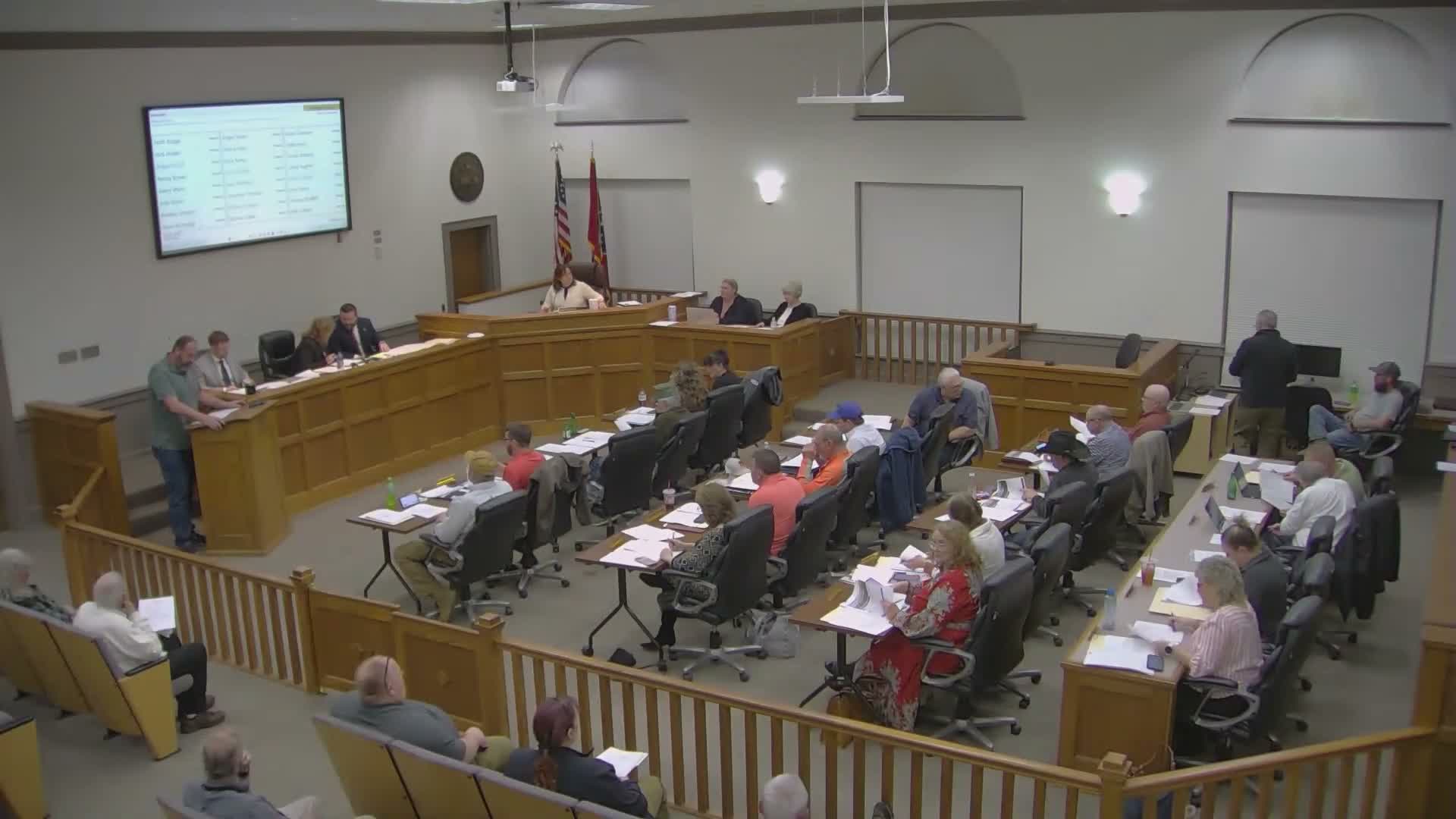
Summary
Property assessor presented a plan to move Carter County from a five‑year to a four‑year reappraisal cycle, saying the change requires two full‑time staff and would generate about $400,000 in new annual revenue; commissioners asked that hiring details go to the budget committee and clarified the board would separately vote on personnel and the reappraisal plan.
Property assessor Shane Seabrook asked the Carter County Board of Commissioners to approve a change from a five‑year to a four‑year property reappraisal cycle and to authorize two full‑time employees to carry out the work.
Seabrook told commissioners the county manages about 35,000 parcels and that compressing reassessment from five years to four will increase the annual workload and the frequency of state reporting. “Going from a five year reappraisal to a four year, you have 48 months. By doing the same amount of work, you've got less months to get the job done,” Seabrook said. He estimated the change would produce roughly $400,000 in new revenue a year from newly discovered or newly assessed construction and improvements.
Why it matters: Seabrook argued the earlier schedule protects tax relief and veteran exemptions and prevents the county from losing revenue under state ratio rules. He told the board that failing to meet state deadlines could trigger state intervention in reappraisal work and produce significant backlog and appeals.
Commissioners pressed for budget details and the timing of hires. Several members supported the four‑year plan but noted the county would need to handle the upfront personnel costs. Board members emphasized that pay rates and the two new positions should be reviewed by the budget committee because Seabrook said the positions would need to start by July 1 if the change is approved.
No formal vote on hiring terms was recorded during the meeting. The commission stated it would consider the reappraisal plan itself in a first motion and treat budget and personnel authorization as a separate decision to be addressed during next year’s budget process.
Seabrook said the office expects the additional revenue would cover the hires’ cost within about a year. He warned that without added staff, the county risks noncompliance and potential state takeover of appraisal duties.
Next steps: The board recorded a motion to consider Seabrook’s reappraisal plan; budget committee review of the staffing and pay details was identified as the procedural next step. The transcript does not record a final vote on the reappraisal personnel authorizations.