
Kansas judiciary committee hears competing views on bill to require AG review of contingency‑fee contracts
Get AI-powered insights, summaries, and transcripts
Subscribe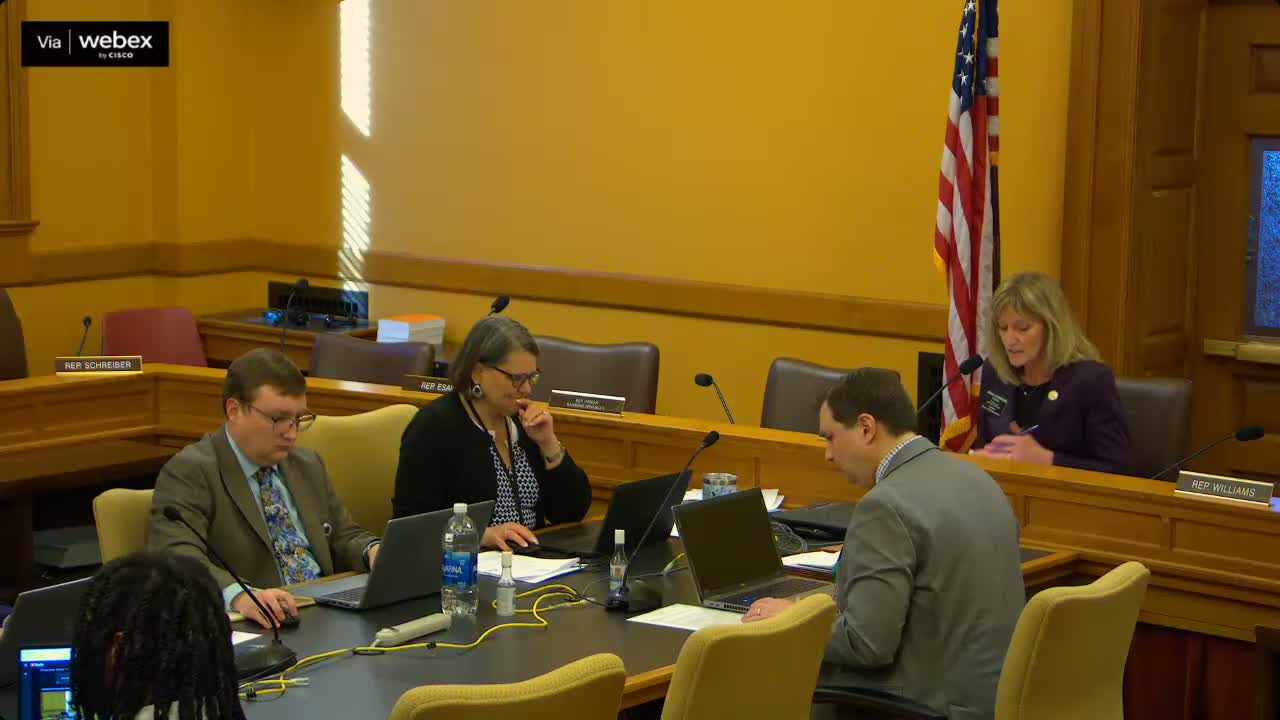
Summary
Supporters say HB 25‑93 would allow coordination of statewide litigation and prevent duplicative suits; opponents (cities, counties, school boards) say it unduly restricts local control, risks disclosure of privileged matters, and could delay urgent cases. The committee closed the hearing; no vote was taken.
The House Committee on Judiciary on Monday heard testimony for and against House Bill 25‑93, which would require political subdivisions to hold an open meeting with specified notice and written findings before approving contingency‑fee contracts for legal services and to submit such contracts to the Kansas attorney general for review and approval within 45 days.
Proponents, led by the Attorney General’s Office, said the measure is aimed at protecting statewide legal interests and avoiding duplicative or conflicting litigation. “We don’t want to interfere with the basic operations of municipalities,” Deputy Attorney General Robert Hutchison said, “but we want to assure that we have the ability to assert the state’s interests as well as not duplicate or complicate litigation that is underway.” Jason Thompson of the Revisor’s Office summarized the bill’s core requirements: public notice of the reasons to pursue litigation, written findings that local counsel cannot adequately handle the matter, and a 45‑day window for AG approval with automatic approval if the AG does not act.
Opponents — including the League of Kansas Municipalities, the Kansas Association of Counties, city attorneys and school boards — argued the bill would intrude on local control and the freedom to contract. John Goodyear of the League said the proposal “does not strike the appropriate balance,” urging narrower language and judicial review if the AG declines approval. Michael Koss, city attorney for Overland Park, warned section 1(b) gives the AG broad discretion to preempt suits for purely local damages, using pending fire truck antitrust litigation as an example where cities sought local remedies.
Private‑sector attorneys and school board representatives defended contingency arrangements as often the only feasible way for cash‑strapped entities to pursue complex, resource‑intensive litigation. Brandon Henry of Wagstaff & Cartmel said contingency agreements allow local school districts to hire specialized counsel and avoid up‑front taxpayer expense; he said delays tied to AG review could cause missed litigation opportunities in multidistrict proceedings.
Committee members pressed proponents and opponents on whether the measure would permit judicial review of AG decisions and on prior litigation where the AG intervened (the AG described interventions involving Ford County and opioid litigation). Several members suggested further negotiations between stakeholders; Chair closed the public hearing without taking a work vote.
What happens next: the committee did not vote on HB 25‑93 on Monday; members encouraged continued talks and potential amendment to narrow state‑interest language or add a right of review. The chair said parties could return if the committee elects to work the bill at a later date.