Get Full Government Meeting Transcripts, Videos, & Alerts Forever!
Get email alerts on the Technical Assistance Pilot topic
No spam. Unsubscribe anytime.
State offers Columbia a 400‑hour free planning pilot to help implement the borough’s comp plan
Summary
A DCED representative told the Columbia Borough Planning Commission the Department’s new pilot will supply 400 hours of no‑cost technical planning assistance per project, with MAP funding and a focus on zoning analysis, active‑transportation and parks projects; the commission agreed to review draft scopes before presenting to council.
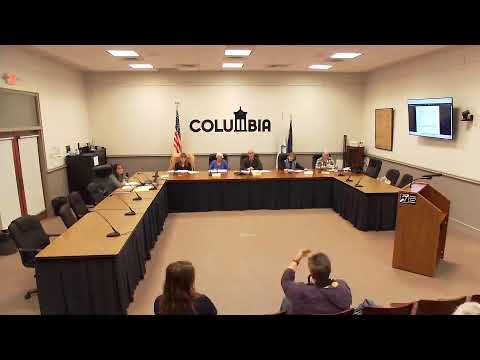
A representative of the Pennsylvania Department of Community and Economic Development told the Columbia Borough Planning Commission on Feb. 17 that DCED is piloting a Community Planning Technical Assistance program that will provide 400 hours of no‑cost planning support to selected municipalities.
The presenter said the Office of Community Planning — housed in the governor’s center for local government services — offers technical assistance across finance, land‑use planning and implementation. "What it is is, offering 400 hours of technical assistance at no cost to the municipality," the presenter said, describing the pilot as a way to expand local capacity and move plans from shelves into action.
Why it matters: small boroughs often lack staff time and technical resources to translate comprehensive‑plan goals into zoning updates, project playbooks or funding strategies. The pilot pairs an assigned DCED planner with local staff to draft scopes, analyze ordinances, and prepare implementation steps that can be advanced to borough council for adoption.
DCED described two funding streams and supports. The Municipal Assistance Program (MAP) is a larger, ongoing funding program (about $2,000,000 annually) that funds shared‑services and community planning projects and typically requires a 50% match (with at least 25% of match from non‑state sources; reduced matches may be available for Act 47 communities). The new technical assistance pilot is distinct: it offers direct staff time (400 hours per project) rather than a grant, and DCED staff emphasized analysis and implementation support rather than full ordinance rewrites.
Examples of pilot projects DCED suggested include a zoning‑ordinance analysis to align zoning with the comprehensive plan, an active‑transportation quick‑build safety toolkit and priority walking/biking maps, parks concept packages to make projects shovel‑ready, housing‑focused code audits to promote missing‑middle housing and accessory dwelling units, and downtown catalyst site redevelopment feasibility work. The presenter said DCED could also help prepare RFPs, scopes of services, and community engagement strategies.
Commissioners asked how to apply. The presenter said there is no formal application during the pilot; DCED staff are proactively identifying communities that are well positioned to take on a project and will release an application form later. The presenter outlined next steps if Columbia participates: DCED would draft one or two scopes of work, provide them to the commission for review and revision, and the borough could then authorize participation by adopting a resolution or recording its approval in council minutes. The presenter noted some logistical needs from the borough (background documents, GIS files, meeting space) but said there is no program fee.
The planning commission directed staff to work with DCED to produce draft scopes for the commission’s review before any council submission. The commission discussed targeting a zoning‑analysis scope first and aiming to present a final scope to council in April after review (the first‑Tuesday council workshop is a suggested venue for initial council review).
Next steps: DCED will prepare draft scope(s) and coordinate with the borough’s assigned planner (Nick Kinastrassi, referenced by DCED) and the commission’s staff liaison for review; the commission will consider the draft at a future planning commission meeting before seeking council authorization.