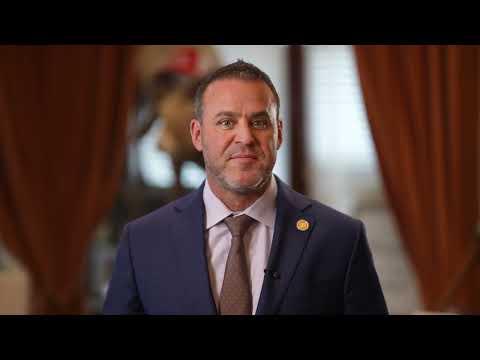
Proposal would require ID when returning mail ballots; speaker says it will boost trust
Loading...
Summary
A speaker urged support for House Bill 479, saying the measure would require voters to show ID when dropping off mail ballots while preserving vote-by-mail and providing accommodations for elderly, military and disabled voters.
An unidentified speaker urged support for House Bill 479, saying the proposal would require voters to show identification when they return a completed mail ballot and would strengthen public trust in elections. "For Utahns, election security is about one thing, trust," the speaker said. "Trust that every vote counts and every election is fair."
The speaker framed the ID requirement as a narrow safeguard rather than a restriction on mail voting, saying voters "will still receive your ballot at home, sit down at the kitchen table, take time to do the research on the issues, and thoughtfully cast your vote. The only difference is that when you drop that ballot off, you show an ID." The talk named House Bill 479 as the vehicle for the change and emphasized the proposal does not alter the delivery of ballots by mail.
To underline public backing, the speaker cited a polling claim: "83% of Americans, Republicans and Democrats, support showing ID to vote." That figure was presented by the speaker and is reported here as their statement; the transcript does not include a source for the statistic.
The speaker also praised county clerks, saying they "do a remarkable job conducting our elections," and said Utah has been a longstanding leader in vote-by-mail. The speaker acknowledged groups who may need assistance—"the elderly, those serving in the military, and the disabled"—and said the bill "provides for additional options to make sure they can still vote." The transcript does not specify what those accommodations are.
The address concluded by returning to the theme of public confidence: "That small step goes a long way toward building voter confidence," the speaker said, adding that Utah can "set the standard" by pairing secure elections with accessibility. The transcript does not specify who sponsored the bill, its legislative status, or any committee assignments.