
Utah leaders pitch gas‑tax cut plus supply measures; fiscal note estimated at roughly $1.012 billion
Get AI-powered insights, summaries, and transcripts
Subscribe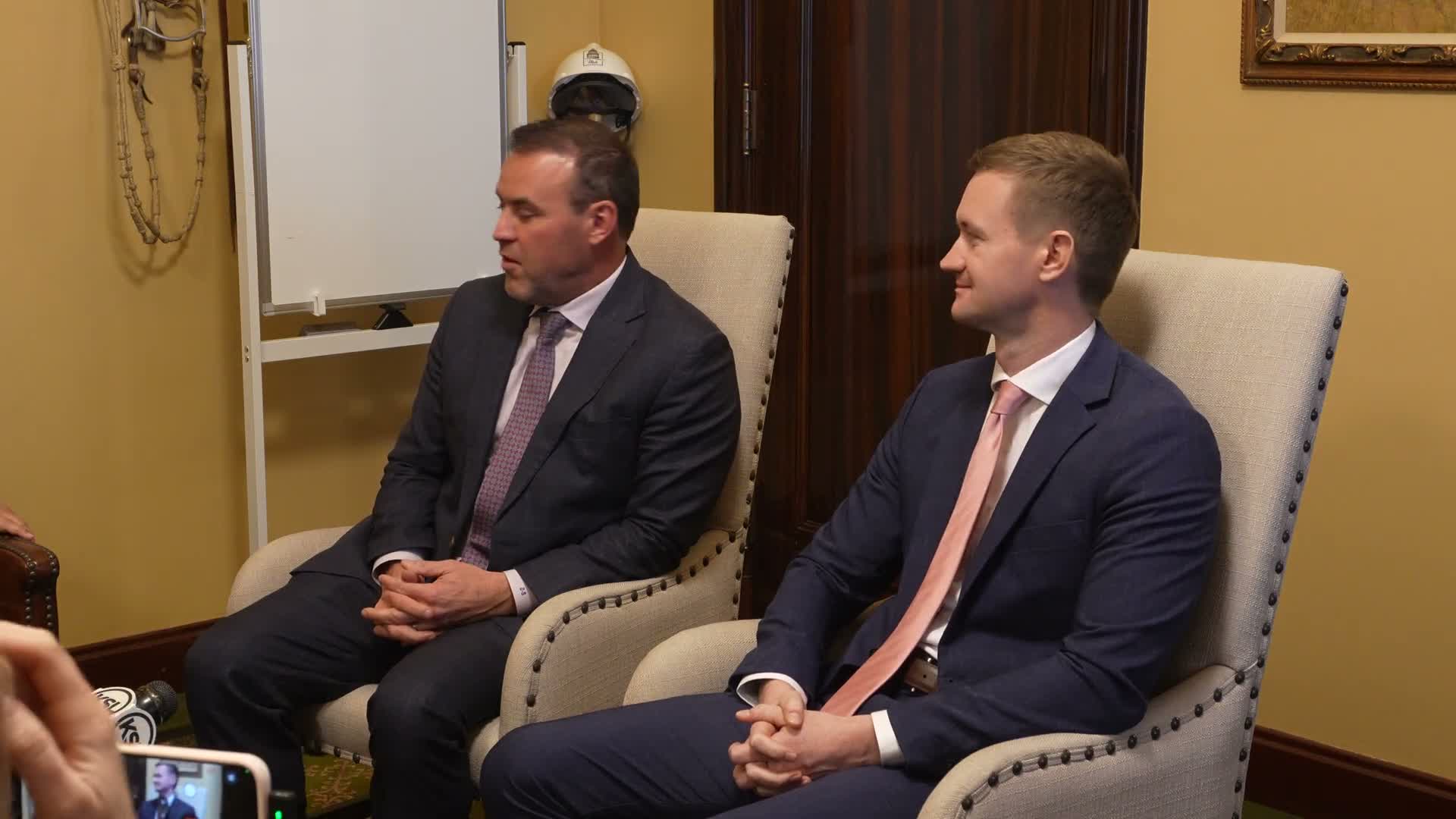
Summary
House leaders outlined a proposal to reduce the motor‑fuel tax (described as a 15% cut) and to speed pipelines, terminals and storage projects to boost regional supply; sponsors say a fiscal note of about $1.012 billion from the general fund would cover the short‑term gap.
Speaker and legislators on (date not specified) described a two‑part plan to lower pump prices: a short‑term cut to the motor‑fuel tax paired with measures to increase regional fuel supply, including expedited permitting for pipelines, expanded terminal capacity on the Enterprise line and storage in Delta salt caverns.
The Speaker presented the proposal as targeted relief for regular motor fuel, not diesel or jet fuel, and said it would be temporary while the state pursues supply increases. "We're going to bring more supply into the market. That's gonna lower your gas prices," said Representative (speaker 4), summarizing the public message supporters plan to deliver at a forthcoming press conference.
Lawmakers described several mechanisms to expand supply: bringing a terminal from the Enterprise pipeline into the Wasatch Front (current flows quoted at about 17,000–18,000 barrels per day with a stated capacity near 50,000 barrels per day), adding pipelines from Wyoming or Gulf sources, encouraging refineries to increase run rates year‑round and using salt‑cavern storage near Delta to shift winter production into summer demand peaks. Combined, speakers said those moves could add tens of thousands of barrels per day—figures they framed as large enough to move Utah prices closer to regional and national averages.
On financing, the Speaker and other participants said the bill includes a fiscal note and that, in the short term, the state would cover lost gas‑tax receipts from the general fund. A quoted figure in the discussion for the fiscal impact was approximately $1,012,000,000. Speaker's office framed that as a short‑term cost to produce $12 million in immediate pocket relief to households while working toward longer‑term supply fixes.
Asked whether the cut would harm the transportation fund used for roads, a legislator said the fiscal note accounts for road‑fund impacts and that the targeted cut applies only to motor fuel used by most families. Supporters described the cut as a "bridge" measure tied to wholesale 'rack' pricing, saying the effective reduction will fluctuate with wholesale prices and could level to a roughly 10–15% reduction next year.
Opponents and questioners raised standard market and environmental concerns: one asked whether producers would increase output if higher supply depressed prices; another asked about emissions from refineries running at higher capacity. Speakers replied that pipeline terminals, storage and competition create incentives for higher year‑round runs and that modern refinery upgrades can reduce pollution, but they acknowledged the need to balance air‑quality protections.
No formal vote or bill number was recorded in the transcript; sponsors repeatedly said more details and industry commitments would be announced at a Monday press conference. The discussion identified the proposal as a motor‑fuel tax cut paired with supply‑side measures and a general‑fund fiscal impact, but did not include a committee motion or legislative action that was voted on during the session.