Get Full Government Meeting Transcripts, Videos, & Alerts Forever!
Get email alerts on the Open Space Policy topic
No spam. Unsubscribe anytime.
Council Seeks Application Process for Open‑space Sales, Weighs Maintenance Agreements and Encroachment Enforcement
Summary
Council debated how to handle resident requests to buy city 'orphan' open‑space parcels and whether maintenance agreements should run with the land; staff will draft an application, fee tied to staff time, and apply existing criteria (trail corridors, open‑space feel, utility constraints) to queued requests.
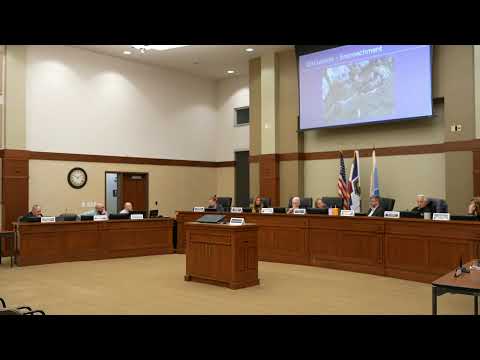
City staff presented a work session on a recurring issue: residents frequently ask to purchase small, city‑owned open‑space parcels (orphan parcels) adjacent to private yards. Staff said the city has existing criteria for disposal (trail corridors, preservation of open‑space feel, protecting irrigation and avoiding orphan parcels) but lacks a formal application and triage process for resident‑initiated requests.
Council members generally agreed the city should protect trail corridors and future trail options, but they also asked for a pragmatic process for resident requests. The council asked staff to prepare an application form, a transparent fee to cover staff review time, and a queue or prioritization that can be neighborhood‑based and allow staff to triage urgent requests. Several council members urged a hybrid approach: continue neighborhood‑by‑neighborhood reviews for systematic surplus programs while also allowing case reviews for individual applicants when justified.
On maintenance agreements (where residents maintain city land without owning it), the council discussed whether recorded maintenance agreements should run with the land. A majority favored recording agreements so they appear on a title search; others suggested new owners should re‑sign agreements to confirm understanding of responsibilities. Staff told council maintenance agreements are currently recorded and recommended keeping that practice; council asked staff to clarify renewal procedures at sale.
Council and staff also reviewed examples of more egregious encroachments (retaining walls, pools, hardscaping on city land). Members emphasized that extensive, permanent improvements that preclude future trail or city use should be subject to remediation and that encroachment fees or purchase processes could be used as part of a remedy. The council expressed a preference to keep curbing (permanent concrete boundaries) off allowed maintenance‑agreement features because such hard edges tend to privatize public land, although they left room for limited, removable mow‑strip solutions on a case‑by‑case basis.
Staff will draft an application, a fee/triage process, and a clarified maintenance‑agreement policy for council consideration; staff said they will bring the handful of current resident requests forward as test cases.