
Finance director warns state bill capping property‑tax increases could breach bond covenants
Get AI-powered insights, summaries, and transcripts
Subscribe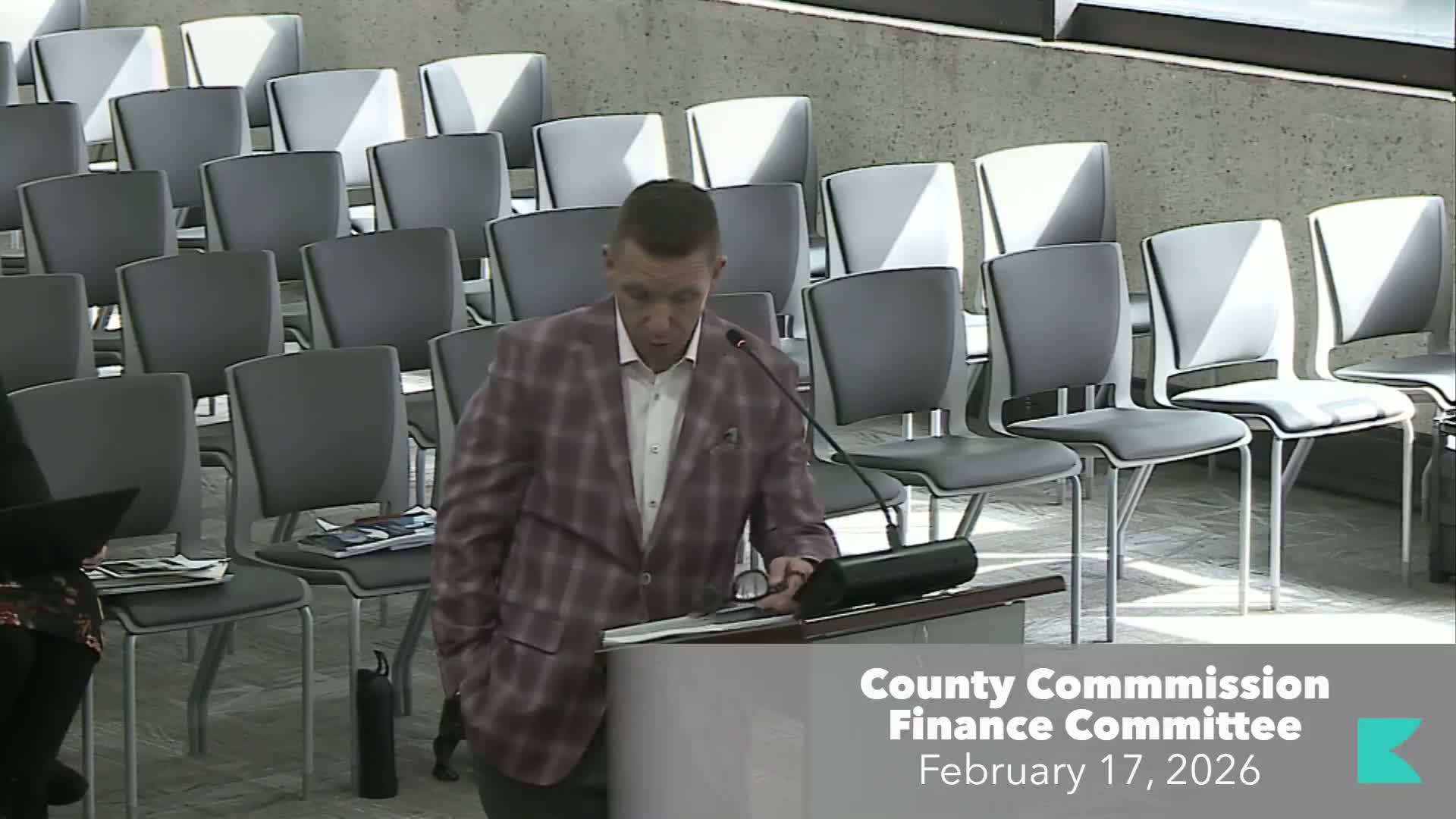
Summary
Mister Caldwell said a proposed General Assembly bill to cap property‑tax increases (described as inflation plus 2%) could break bond covenants, harm bond ratings and force higher borrowing costs; commissioners were urged to contact state lawmakers and to prepare for certified‑rate discussions this summer.
During a discussion about proposed state legislation, Mister Caldwell, the county finance director, told the Finance Committee that a bill under consideration in the General Assembly to limit annual local property‑tax increases (described in the meeting as "inflation plus 2%") could undermine the county’s bond covenants and reduce its ability to fund debt service.
"If the General Assembly passed this bill, that it breaks our covenants with those bondholders," Caldwell said, adding that bond raters and holders rely on the county’s "full taxing authority" as part of the security for debt. He warned the committee that constrained taxing authority could lower Moody’s and S&P ratings and increase interest costs on future borrowing.
Caldwell used an illustrative figure to show potential scale: "That's $700,000,000," he said when describing the outstanding amounts that rely on taxing authority for repayment. He urged commissioners to contact state representatives and senators to explain local concerns.
Commissioners asked technical questions about how reappraisal and the certified tax rate intersect with any cap and whether ballot referendums could become mandatory for increases. Caldwell said the state treats reappraisal and certified rates differently from a simple rate measure and recommended a July/August workshop with the law director and assessor to walk through options ahead of recertification.
Separately, a committee member noted a recent county commission meeting that voted unanimously to oppose action of that type at the state level, signaling local elected bodies already are mobilizing around the issue.
The committee did not take a formal vote at this meeting on next steps beyond asking members to convey concerns to state legislators and scheduling further internal workshops and briefings.