
Design review board approves 100 W. Depot mixed‑use project after demanding masonry substitution and top detailing
Get AI-powered insights, summaries, and transcripts
Subscribe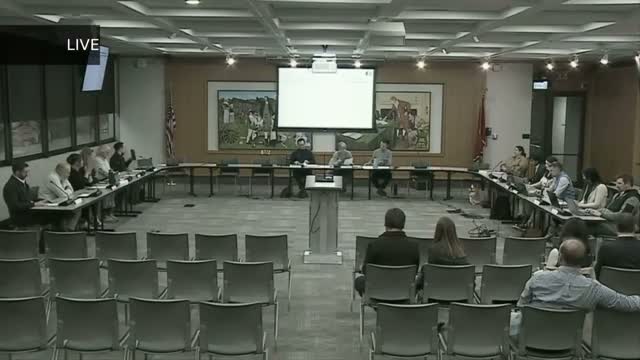
Summary
The Knoxville Design Review Board approved a seven‑story mixed‑use building at 100 West Depot with conditions requiring replacement of red fiber‑cement cladding on the north facade with brick and additional masonry articulation at the parapet. Staff will review detailed materials during permitting.
The Knoxville Design Review Board on Feb. 18 approved a seven‑story, mixed‑use development at 100 West Depot, contingent on changes to the building’s exterior materials. The board added a condition that the “red” fiber‑cement panels on the north elevation be replaced with matching brick masonry and that the parapet or top courses of masonry be differentiated in coursing or patterning.
Quad Capital Partners’ Christine Cobb, the applicant, told the board the project aims to activate more than 2 acres of underused parking north of the railroad with ground‑floor retail and residential units and that the developer intends to retain the building long term. “We’re so excited that we’re bringing on more than 7,000 square feet of retail,” Cobb said during her presentation, and she stressed the team’s operating plan for long‑term maintenance and stewardship.
Adam Jekyll, architect for the project, described a material palette that includes brick, metal screening at the garage openings, and factory‑finished fiber‑cement panels with vertical v‑groove joints. Jekyll said the large fiber‑cement panels would be cut and aligned with window mullions and that prefabricated metal balconies and landscaped planters were intended to reduce the visual impact of the open‑air garage.
Board members voiced repeated concerns about the durability and aging of large areas of factory‑finished fiber cement on a prominent site visible from multiple parts of the city. Several members argued that the building’s long‑term appearance mattered more than short‑term cost‑savings. In response to that concern, board members proposed and the board adopted an amended approval that substitutes brick for the red fiber‑cement section and requires additional masonry articulation at the parapet to define the top of the building.
Staff had recommended approval with three standard conditions: ensure final plans meet zoning and Department of Engineering standards, comply with the city’s urban forestry requirements, and submit a separate signage package for board review. The board’s additional material condition does not change those requirements; staff will verify conformance during building permit review, the board said.
The approved design retains the project’s primary program elements as presented: ground‑floor retail and live/work units wrapping the Central Street/Depot corner, residential amenities on an upper level, and two levels of structured parking (one at a lower grade). Cobb said the development team is targeting an activated pedestrian experience and will coordinate public‑art and mural opportunities with local organizations as design details are finalized.
The board’s vote was taken by voice; members noted concerns and tradeoffs between long‑term durability and project feasibility during the discussion but concluded the masonry substitution and added top detailing addressed the board’s primary durability and visual‑quality concerns. Staff will review final material samples and detailed drawings in the permitting stage to ensure the approved masonry and top‑course details are implemented.