Perris planning commission recommends city adopt streamlined ‘minor CUP’ process for low‑impact uses
Loading...
Summary
The Perris Planning Commission voted 5-0 on Feb. 18 to recommend that the City Council approve zoning and specific‑plan amendments creating a minor conditional use permit (MCUP) process to speed administrative approvals for lower‑impact businesses such as microbreweries, tutoring centers and certain recreational uses.
The Perris Planning Commission on Feb. 18 voted unanimously to recommend the City Council adopt a package of zoning‑code and specific‑plan amendments that would create a minor conditional use permit (MCUP) process to allow administrative review of specified lower‑impact land uses.
City planner Rafael told commissioners the change is intended to speed approvals and promote economic development by letting the director of community development approve routine, low‑impact uses administratively while preserving conditions and appeal rights. Rafael said eligible uses would include indoor commercial recreation, tutoring centers, urgent care, veterinary services, microbreweries, certain fitness uses and drive‑through bank or pharmacy services, among others. He described a consolidated microbrewery definition that would limit production to 15,000 barrels per year and allow on‑site tasting rooms and related accessory activities.
The proposal would amend the Perris Valley Commerce Center Specific Plan, the Downtown Perris Specific Plan and the Green Valley Specific Plan and revise several chapters of the Perris municipal code. Staff recommended the commission find the project exempt from the California Environmental Quality Act under CEQA Guidelines section 15061(b)(3) (common‑sense exemption) and forward the proposed zoning‑text and specific‑plan amendments to the City Council with a recommendation for approval.
Commissioners asked detailed questions about oversight of alcohol sales, the types of recreation uses to include (bowling alleys, skating rinks, escape rooms, go‑karts) and how the MCUP would apply to existing versus new construction. Commissioner Jimenez asked whether a tutoring center limit of 20 students referred to roster size or simultaneous occupancy; staff clarified the limit is 20 students at any one time to address parking and traffic impacts. Several commissioners requested that certain recreational uses be included or defined more broadly in the PVCC tables so facilities larger than 5,000 square feet could be captured in an appropriate definition.
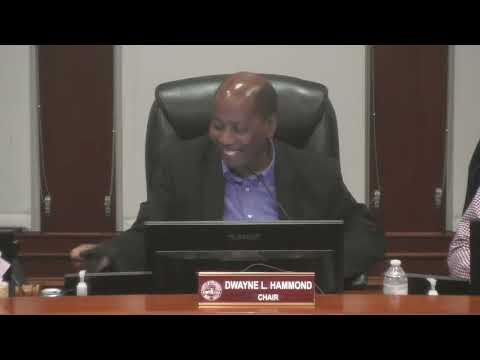
Chair Hammond and others raised concerns about whether administrative approvals would reduce oversight, particularly for uses that include alcohol. Staff explained that alcohol licensing remains the responsibility of the California Department of Alcoholic Beverage Control and that any MCUP application involving alcohol would still need to satisfy the findings required by chapter 19.65 (alcohol regulations). Staff also said the city would add cross‑references so MCUPs are explicitly included in chapter 19.65. Regarding enforcement, staff recommended revocation provisions be applied to MCUPs in the same way they apply to full CUPs: the planning commission may hold a public hearing to revoke or modify a permit upon finding a violation of conditions, creation of a nuisance, or fraud in obtaining the permit. Director decisions would be appealable to the planning commission.
Commissioners identified a small number of technical corrections to packet tables (an online code copy that did not yet reflect a previous council action prohibiting warehouse uses in the BP zone) and asked staff to include language clarifying the director’s authority to make editorial edits consistent with the commission’s intent prior to forwarding to council.
After discussion and the read‑in of technical edits, the commission moved to adopt the resolutions recommending the council find the matter exempt from CEQA and approve the zoning and specific‑plan amendments. The motion passed 5‑0 (Commissioners Lopez, Jimenez, Menendez, Vice Chair Shively and Chair Hammond voting yes).
Next steps: the Planning Commission’s approval constitutes a recommendation; the City Council will consider the zoning text and specific‑plan amendments at a future hearing. Staff indicated one‑year follow‑up or periodic reviews could be requested by the commission if members want a formal check‑in on MCUP outcomes.