Get Full Government Meeting Transcripts, Videos, & Alerts Forever!
Get email alerts on the Tourism Promotion Areas topic
No spam. Unsubscribe anytime.
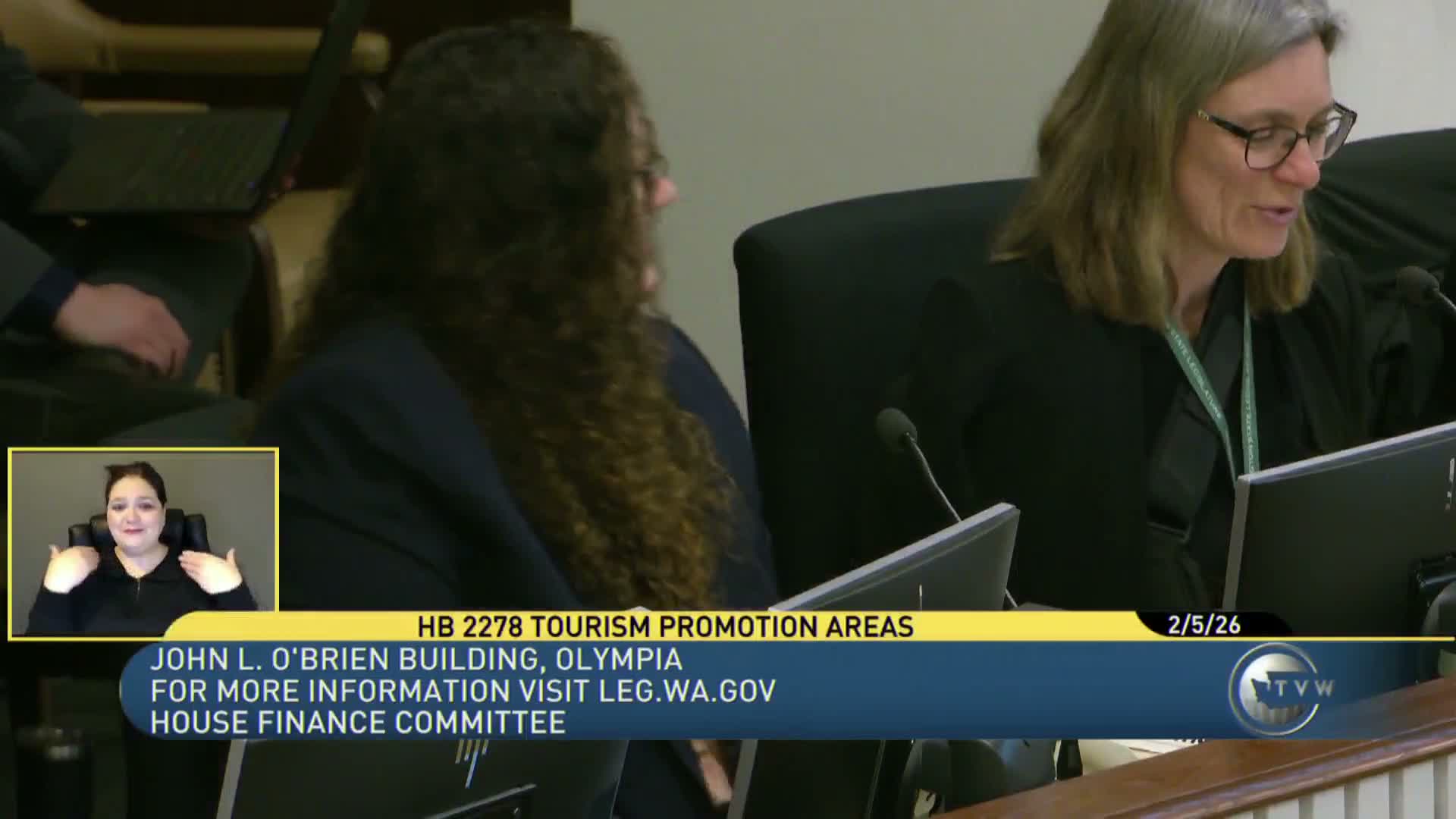
House panel reviews bill to remove sunset on $3 tourism promotion fee for local TPAs
Summary
House Finance heard testimony on HB 22‑78 to remove the July 1, 2027 expiration for a $3 per‑room‑per‑night additional charge used by local tourism promotion areas; sponsors and tourism groups said the revenue funds local marketing and events, while staff noted limited fiscal impact at the state level.
The House Finance Committee heard about House Bill 22‑78, which would remove the July 1, 2027 expiration on an additional $3 per room per night charge that some local tourism promotion areas (TPAs) impose on lodging. Martha Whaling, staff to the Technology, Economic Development and Veterans Committee, told members the bill would make permanent a charge currently allowed under state law and described the local mechanism for depositing revenues into tourism promotion accounts.
Sponsor Rep. Stephanie Barnard (8th Legislative District) said the proposal is industry‑led and intended to support local tourism marketing and events. "This is about bringing money and people," Barnard said, citing the Ironman triathlon in the Tri‑Cities as a TPA‑funded project that brought "millions of dollars" to her community. Christina King summarized the fiscal note, saying the bill does not affect state revenue and is estimated to increase local revenues by about $4,000,000 in the 2027–29 biennium, with one‑time DOR costs of roughly $4,000.
Local destination organizations and cities told the committee the extra fee has produced measurable results. Rose Noble of VISIT Spokane said the county collected about $9,300,000 after raising the local fee from $2 to $5 and reported a strong return on advertising spending. Becky Bogard for Washington State destination marketing organizations described the TPA model as industry‑driven and said only hotels in the affected jurisdiction are assessed.
Witnesses also raised concerns about stakeholder engagement and potential overlap with other proposals. Some hospitality representatives asked for clearer stakeholder roles if public facilities districts are given additional tax authority without voter approval; short‑term rental owners urged equitable treatment across lodging types. Arts advocates in Vancouver cautioned that locally led projects already underway might be duplicated by a new public‑facilities taxing authority.
The committee took no final action on HB 22‑78 during the session and suspended the hearing to take up other items. Staff said they would follow up on technical questions raised by members, including whether extending the deadline would require new local ordinances.