Get Full Government Meeting Transcripts, Videos, & Alerts Forever!
Get email alerts on the Juvenile Justice topic
No spam. Unsubscribe anytime.
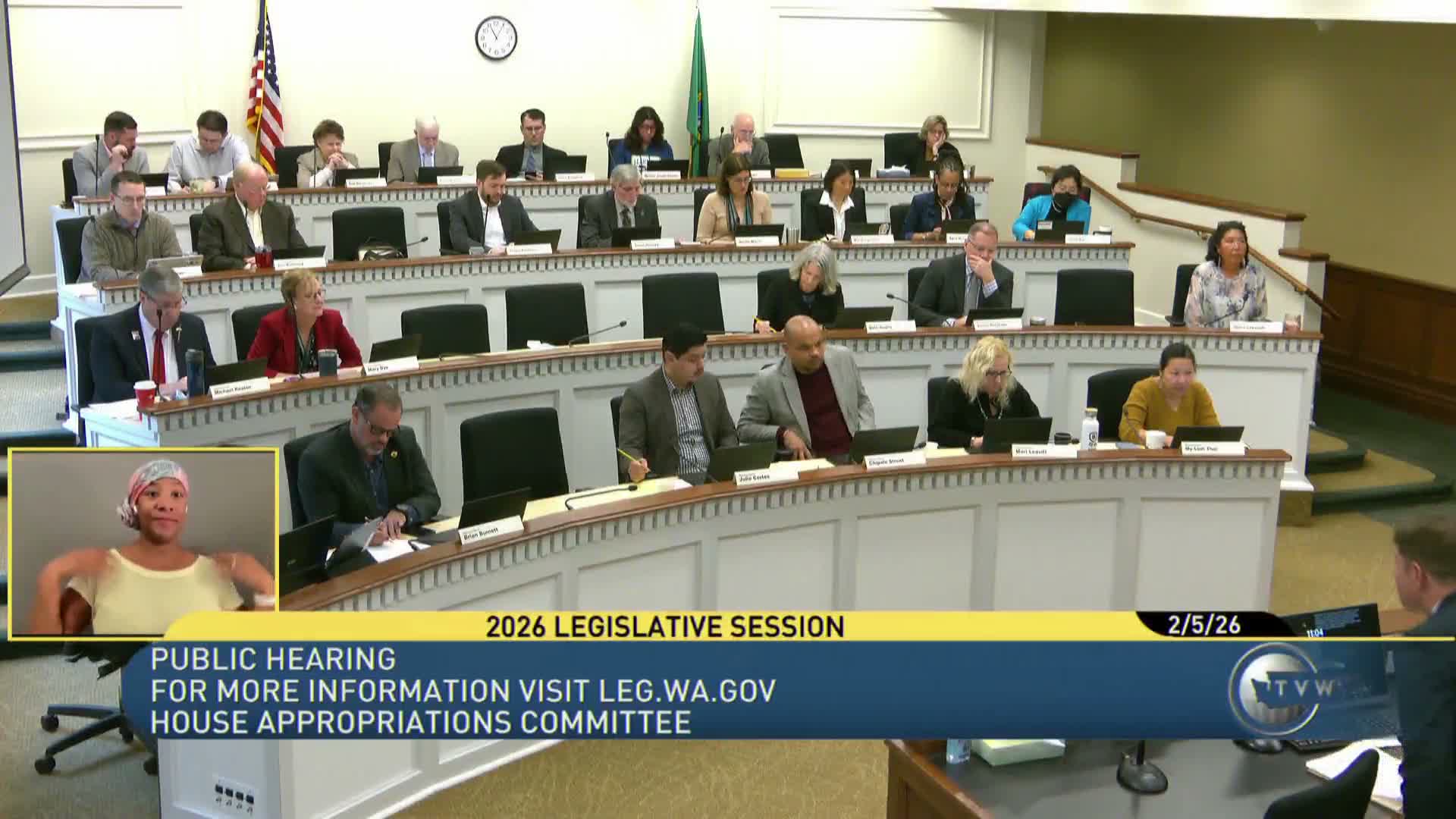
Panel hears heated testimony on juvenile‑justice overhaul that shifts presumption toward community supervision
Summary
Staff described a substitute to HB 23‑89 that would broaden eligibility for community‑based disposition alternatives, create a mid‑sentence review, and reduce certain standard ranges; the hearing drew strong, split public testimony, with prosecutors, cities and victim advocates urging opposition over safety and fiscal concerns and juvenile justice advocates and judges backing the reforms.
Staff told lawmakers the substitute to House Bill 23‑89 would expand two suspended disposition alternatives, require courts to grant those alternatives unless certain findings support confinement, create a midpoint review hearing for certain long commitments and require DCYF reporting before mid‑sentence reviews, and lower standard ranges for some juvenile robbery offenses.
Representative Raquel Cortez (sponsor remarks) framed the measure as "a balanced evidence‑based approach to juvenile justice," saying it prioritizes community‑based rehabilitation when safe and preserves confinement for cases that require it.
Opponents — including the Washington Association of Prosecuting Attorneys, the Association of Sheriffs and Police Chiefs, the Washington State Association of Counties, and several city officials — argued the bill would increase court congestion, shift costs to counties, weaken accountability for violent offenses and risk public safety. Russell Brown, executive director of the Washington Association of Prosecuting Attorneys, said his members believe "this bill increases barriers to place individuals who've committed violent crimes in your communities and keep them from going to JR where they could receive rehabilitative services." Advocates for reform including TeamChild, King County public defenders, and several judges testified in favor, stressing racial‑disparity reductions, rehabilitation outcomes and potential long‑term savings from community supports.
Administrative and fiscal testimony flagged implementation costs for DCYF and mid‑sentence review staffing, with DCYF estimating a need for roughly $417,000 in the current biennium and $792,000 each biennium thereafter and three FTEs to support reports and reviews; appellate and court workload impacts were described as indeterminate but material by some court and prosecutor witnesses.
The committee collected extensive public testimony on both sides and did not take a vote; staff and stakeholders signaled ongoing negotiations on amendments to address workload, funding, and judicial discretion concerns.