Get Full Government Meeting Transcripts, Videos, & Alerts Forever!
Get email alerts on the Education Restraint Isolation topic
No spam. Unsubscribe anytime.
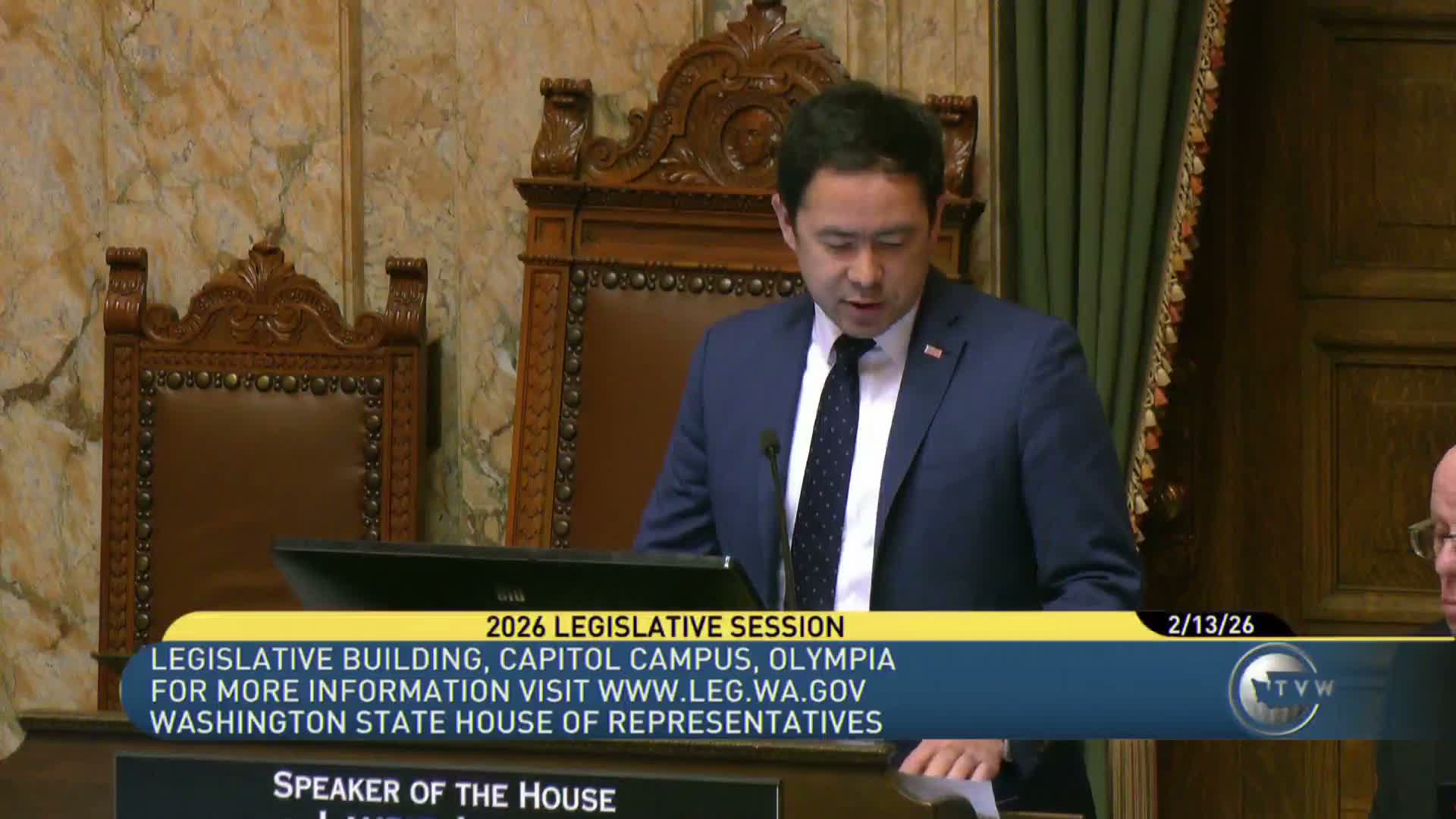
House passes bill to limit isolation and restraint in schools after long, divided debate
Summary
The Washington House passed Engrossed Substitute House Bill 17-95, tightening limits on isolation and restraint in K–12 schools and adding requirements for training and reporting after extended floor debate on implementation and student safety.
The Washington State House passed Engrossed Substitute House Bill 17-95 on final passage after extended floor debate over how schools should limit the use of isolation and restraint with students.
Supporters, led on the floor by Representative Callan (member from the fifth), said the bill centers student safety and requires professional development and planning to reduce traumatic practices. "We know when children experience the traumatic events of an isolation or a restraint, it's not just a moment," Callan told colleagues, urging the legislature to back measures to keep students and educators safe.
The House adopted several amendments that clarified intent and added implementation language. Amendment 16-75, described by its mover as an insertion to underscore professional development and training for staff, was adopted; another amendment that expanded reporting to capture out-of-state placements (15-99) was also adopted. Lawmakers rejected amendments that would have broadly expanded property-based exceptions and a targeted amendment intended to remove medical-professional consultation for planned interventions (amendment 16-06 was not adopted). Floor debate repeatedly returned to two tensions: preventing traumatic uses of isolation and preserving practical tools for educators responding to imminent safety threats.
Opponents warned the bill could be premature without additional statewide training and supports. Representative McIntyre, among those urging a no vote, said removing tools "before we're ready or before staff are ready" could create safety and staffing problems for districts. Representative Barnard, a paraeducator's relative, described the day‑to‑day risks in classrooms, saying, "My sister comes home with bruises regularly" when caring for some high‑need students, and urged colleagues to ensure staff safety.
The legislature debated operational details at length. Sponsors and several supporters pointed to a phase‑out approach — including prohibiting future construction of rooms intended primarily for isolation, while allowing districts time to transition spaces and improve training. Representative Keaton, a mover of several amendments, emphasized prevention and the need for OSPI guidance and local implementation planning.
On final action the House recorded a constitutional majority and declared the bill passed. The most recent recorded roll call on reconsideration showed 57 yays, 37 nays and 4 excused. The bill will proceed to the next steps in the legislative process for enrollment and transmittal.
The debate on HB 17-95 illustrated a recurring legislative tradeoff: advocates pressing to end practices they say are harmful to children, and some educators and members warning that implementation must include training and resources to avoid unintended harm to students or staff.