
Bill narrows loophole for fuel suppliers under Climate Commitment Act, sets lower threshold for new entrants
Get AI-powered insights, summaries, and transcripts
Subscribe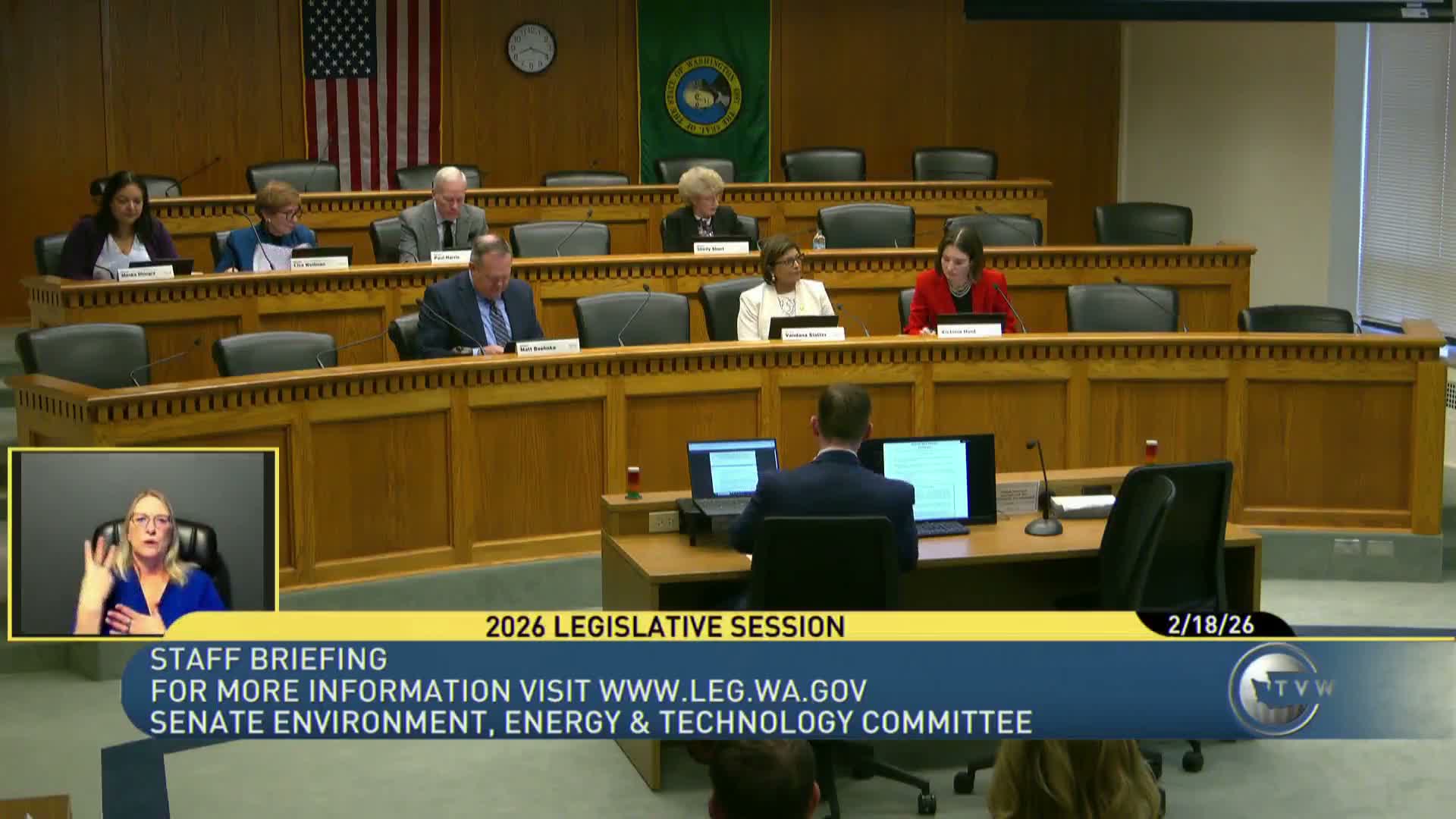
Summary
HB 2,215 would lower the CCA compliance threshold to 500 metric tons for fuel suppliers that began operating after Jan. 1, 2023, require reporting by more suppliers, exempt lubricants from covered emissions, and give Ecology authority to adjust thresholds to prevent market distortions; industry and environmental groups differed sharply at the hearing.
The committee heard lengthy testimony on Engrossed Second Substitute House Bill 2,215, which aims to prevent fuel suppliers from forming small, separate entities to avoid coverage under Washington's Climate Commitment Act (CCA).
Sponsor Representative Joe Fitzgibbon said the measure addresses a trend of distributors forming new companies to sell volumes just under the 25,000 metric ton threshold, which he said undermines both the law's goals and suppliers who have complied. The bill would, beginning in 2027, reduce the covered‑entity threshold from 25,000 to 500 metric tons for suppliers that began operating after Jan. 1, 2023, require reporting for those suppliers, and exempt lubricants from covered emissions. Ecology would be able to increase or decrease thresholds by rule to meet program goals or avoid market distortions.
Industry witnesses warned of unintended consequences. Jim Hedrick of the Pacific Propane Gas Association urged maintaining a higher threshold for propane and focusing on upstream enforcement and definitions for affiliated entities rather than lowering thresholds. Diana Carlin of the Washington Oil Marketers Association said "paper distributors" sometimes only hold a license and rely on others for transport; she welcomed the lubricant exemption but urged Ecology to exhaust enforcement options before lowering thresholds by rule.
Environmental groups and Ecology staff urged action to close the loophole. Leah Missick of Climate Solutions said the bill would reduce opportunities to "game the system" and estimated the loophole could amount to nearly 1,000,000 metric tons of unregulated emissions annually. Ecology staff said lowering the threshold to 500 metric tons for newer suppliers would help regulation but also flagged that implementing the bill would require additional staffing, rulemaking and provided suggested technical language to the sponsor.
Committee members questioned enforceability and whether changes would spawn new workarounds; industry pointed to California's experience with rulemaking. The hearing closed with the bill set aside for further work and suggested technical fixes from Ecology.