
Committee considers bill to tighten prior authorization rules and limit AI‑only denials
Get AI-powered insights, summaries, and transcripts
Subscribe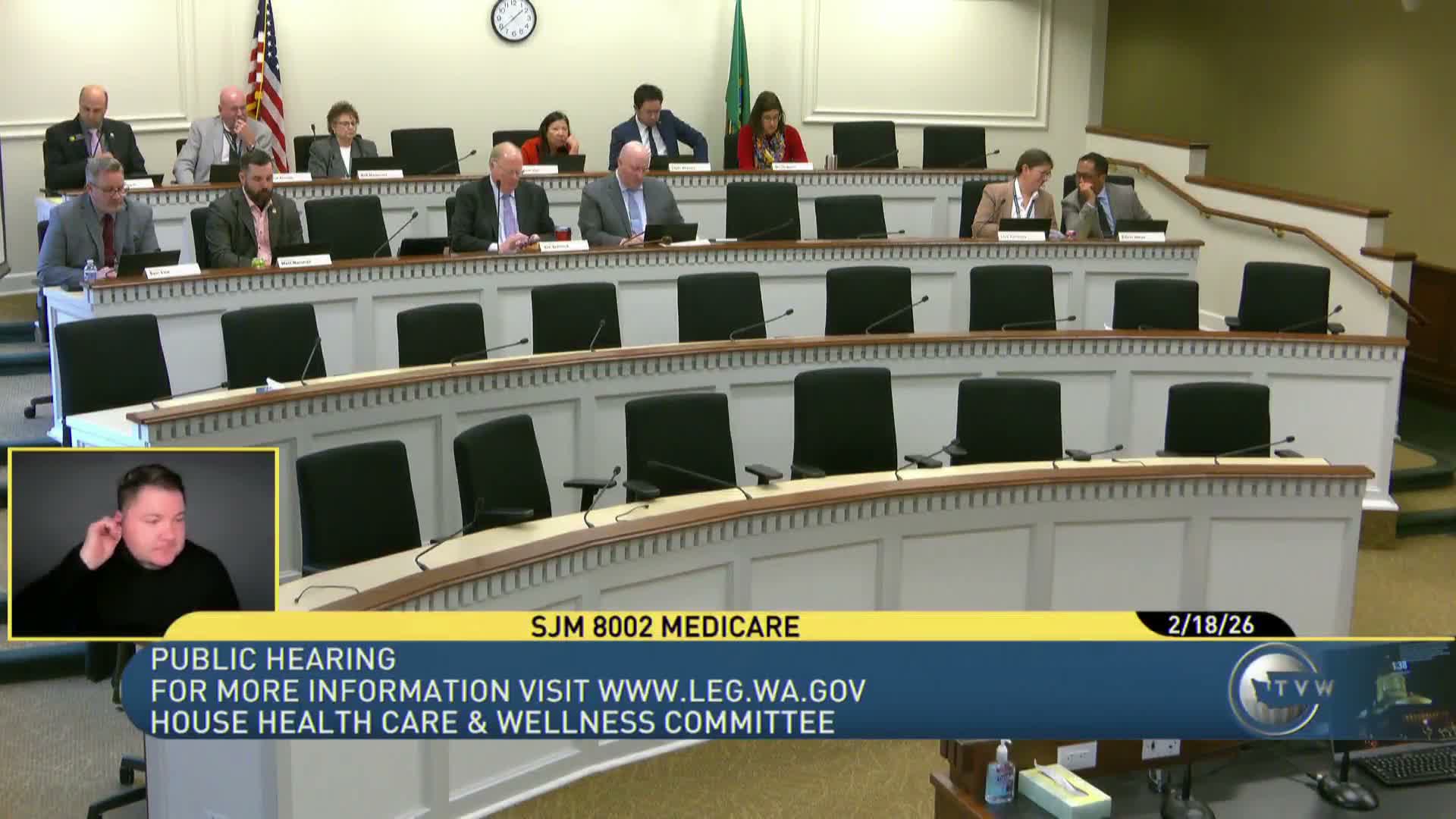
Summary
SB 53 95 would require timing and transparency for prior authorization decisions, require clinician oversight for medical‑necessity denials aided by AI, and ban retrospective clawbacks of previously authorized care; stakeholders largely supported modernization but differed on details and Medicaid coverage.
The House Health Care and Wellness Committee received a staff briefing and extensive stakeholder testimony Feb. 18 on SB 53 95, a bill to reform prior authorization processes used by carriers and health plans. Committee staff said the bill sets timing and communication requirements, requires carriers to post policy updates in a single online location, compels reporting to regulators, and restricts use of artificial intelligence so that "AI may not be the sole means used to deny, delay, or modify healthcare services." Beginning in 2027 plans would report how many denials were aided by AI.
Sponsor Tina Orwell said the bill is a stakeholder‑worked compromise that was narrowed to exclude Medicaid because of budget constraints, but she urged lawmakers to retain human clinical involvement in denials: "I don't think AI can take that oath," she said. Providers and hospital systems described operational and financial harms from delayed payments and retrospective denials. Adam Dittemore of Evergreen Health and others told the committee prior‑auth denials have increased and that clinician review before denial would reduce inappropriate denials.
Insurers expressed conditional support but sought narrow technical amendments. Christine Brewer (Premera Blue Cross) described being part of stakeholder talks and requested an amendment to clarify a section limiting retrospective review. Patient advocates urged the legislature to expand protections to Medicaid when fiscally feasible.
The committee did not vote; the hearing focused on stakeholder alignment and suggested technical edits. If advanced, the bill would create new transparency requirements and limit automated decision‑making where human clinical judgment is necessary.