
Committee advances childcare tax credit amendment aiming to add seats and training with $5M cap
Get AI-powered insights, summaries, and transcripts
Subscribe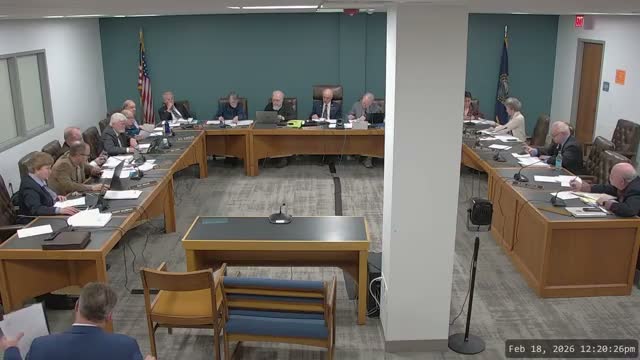
Summary
The committee amended HB 14 33 to create a childcare tax credit (50% of qualifying expenditures) intended to fund new seats or workforce development, with an aggregate cap of $5 million per fiscal year and a 12-seat minimum per qualifying project; the committee approved OTPA 16–0 with the sponsor to prepare final drafting.
Representative Mary Murphy presented an amendment to HB 14 33 that would allow eligible businesses to claim a credit equal to 50% of qualifying childcare expenditures (against BPT or BET liability), limited to 50% of a business's qualifying spend for the first two years, with a carry-forward for four successive years. The aggregate annual cap for credits across all taxpayers was set at $5,000,000; applications would be processed first-come, first-served and the DRA would approve or deny within 60 days.
Sponsor Murphy said the bill aims to address a severe childcare seat shortage and a roughly 12-month wait list for openings by incentivizing employers to create or contract for at least 12 new seats that did not exist prior to 01/01/2027. Committee members raised concerns that large employers could capture the bulk of the limited credit pool and asked for language limiting per-entity claims. Representative Almi also questioned whether the amendment rewrote the bill's statement of purpose; the sponsor withdrew and replaced the amendment to correct drafting errors and then moved a corrected amendment.
After amendments and procedural fixes, the committee voted to recommend OTPA (ought to pass as amended) by voice/roll call 16–0 and placed the bill on the consent calendar. Members asked DRA to draft the application and certification language and to consider whether the program should include per-entity caps or prioritization to promote geographic equity.
The measure will now proceed to the House calendar with the sponsor preparing the majority report and a minority report option reserved if members remain opposed.