Get Full Government Meeting Transcripts, Videos, & Alerts Forever!
Get email alerts on the 340b Drug Pricing topic
No spam. Unsubscribe anytime.
Large turnout at hearing on 340B drug pricing bill; industry and safety‑net providers clash
Summary
The committee heard hours of testimony on HB 21‑45, a bill intended to protect 340B savings for safety‑net providers. Drugmakers and employer groups warned of increased costs and lost rebates; safety‑net hospitals and community health centers said the 340B program supports uncompensated care and essential services.
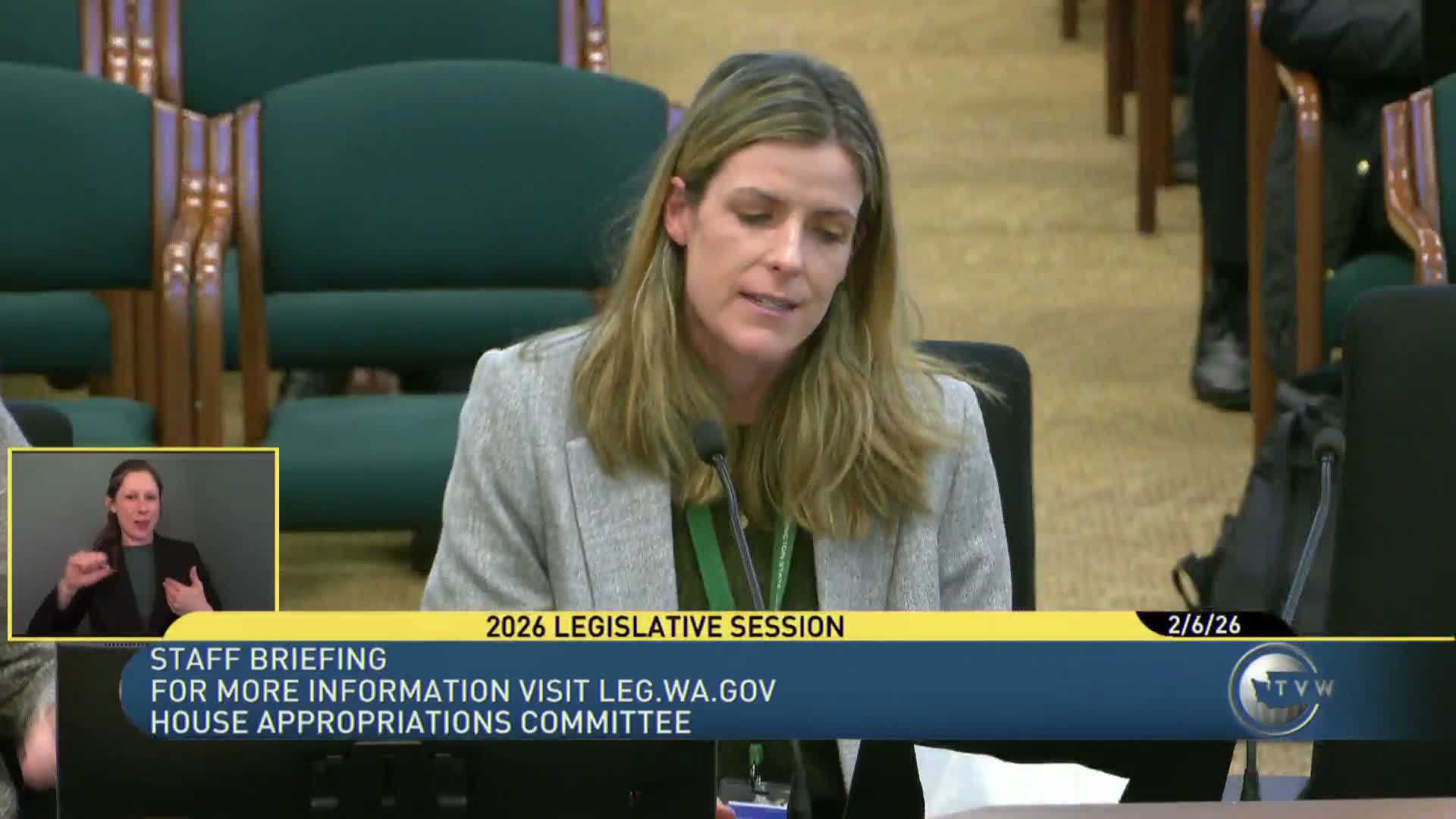
A lengthy, often contentious hearing focused on substitute House Bill 21‑45, which would protect covered entities’ access to 340B pricing and limit manufacturer or third‑party restrictions on contract pharmacies. The committee’s nonpartisan staff outlined the program background and the bill’s reporting and enforcement provisions, then reviewed fiscal notes reflecting potential administrative costs at the Department of Health and other agencies.
The hearing drew voices from across the health‑care spectrum. Hospital systems, academic medical centers and community health centers testified that 340B savings fund uncompensated care, mobile health teams and other services for patients who otherwise would lack access. Simona Dasgupta of UW Medicine said the program funds services for “patients who are unhoused, face language barriers, and live with mental health conditions,” and urged protections against manufacturer exclusions.
Manufacturers and industry representatives, including a witness from AbbVie, testified in opposition, saying growth in 340B utilization has driven higher overall health costs for employers and state plans because of lost manufacturer rebates and changes in prescribing. Trade groups warned the bill could increase premiums for employers and taxpayers; they cited IQVIA and other analyses suggesting large aggregate costs from expanded 340B utilization.
Union and rural health advocates also testified — with some urging the committee to protect safety‑net providers — while employer groups and life‑science organizations urged caution or rejection. County and small‑business advocates asked detailed questions about how lost rebates would affect Medicaid, PEBB/SEBB and employer‑sponsored plans. Several witnesses said the bill could spur complex litigation and flagged federal regulatory uncertainty.
Committee staff recommended review of multiple fiscal notes and said the scope of reporting and the private right of action in the bill could create indeterminate administrative impacts at state agencies. No final committee vote on HB 21‑45 was recorded at the hearing.