Get Full Government Meeting Transcripts, Videos, & Alerts Forever!
Get email alerts on the Public Health topic
No spam. Unsubscribe anytime.
Butte‑Silver Bow health officer outlines 2025 data, accreditation push and 2026 priorities
Summary
Health Officer Karen Malachin briefed the council on 2025 program metrics (inspections, vaccines, syringe services, wastewater surveillance), staffing and budget mix, and the department’s pathway toward accreditation and priorities for 2026 including a community health needs assessment and behavioral health work.
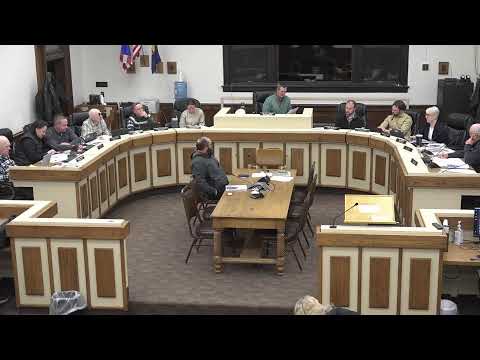
Butte‑Silver Bow Health Officer Karen Malachin presented an abbreviated update to commissioners on Feb. 18 detailing departmental programs, staffing and finances and describing plans for accreditation and community health priorities.
Malachin said the department operates 28 FTEs with one RN vacancy and a roughly $3.0 million annual budget (about 41% local funds and 48% grant funding). She reviewed 2025 activity by division: environmental health inspections and wastewater permits, nearly 1,942 vaccines administered, family planning visits, syringe service program contacts and outreach, and an expansion of wastewater surveillance to include influenza A/B, COVID, RSV and measles as early warning tools. Malachin noted the department submitted materials for the Public Health Accreditation Board ‘‘pathways’’ recognition and expects a decision in fall 2026.
Commissioners asked about funding for wastewater surveillance (Malachin said grant funding supports it) and Narcan distribution volumes (Malachin said 1,529 boxes had been distributed, with 842 going directly to syringe‑service participants). The health officer said 2026 priorities include publishing a community health needs assessment, launching a community health improvement plan, expanding behavioral health and substance‑use services with an emphasis on reducing stigma, and filling clinical vacancies.
Malachin closed by citing recent public‑health successes, highlighting lead‑testing outreach and prevention work, and noting the department’s preparedness activities and engagement with local partners.