Get Full Government Meeting Transcripts, Videos, & Alerts Forever!
Get email alerts on the Ems Essential Services topic
No spam. Unsubscribe anytime.
County EMTs, residents urge supervisors to place EMS 'essential services' resolution on agenda
Summary
During public comment William Linche Vargas Pulito urged the Crawford County Board of Supervisors to place an "EMS essential services" resolution on a future agenda and to form an EMS advisory council, citing low pay, volunteer shortages and coverage gaps that risk patient delays.
William Linche Vargas Pulito, identifying himself as a full‑time employee at Radford County Rural Hospital and a volunteer EMS provider, urged the Crawford County Board of Supervisors to place an "EMS essential services" resolution on a future agenda and to form an EMS advisory council.
"A sustainable EMS system cannot exist without supporting the people who make it function," William told the board during the citizens' input portion of the meeting, describing recruitment and retention challenges for EMTs and paramedics and noting that some newly certified staff have faced pay cuts when they return from administrative posts. He said a tuition‑reimbursement policy requires a two‑year service commitment and a waiver of a $5,000 bonus for new paramedics, and that staff frequently cover uncompensated training and travel costs.
William and other volunteers described repeated coverage gaps and transfers delayed until morning because no ALS tier was available overnight. He asked the board to place an EMS essential‑services resolution on an upcoming agenda "so that an EMS advisory council can be formed" to bring volunteers, hospital leadership and county officials together to develop a sustainable plan.
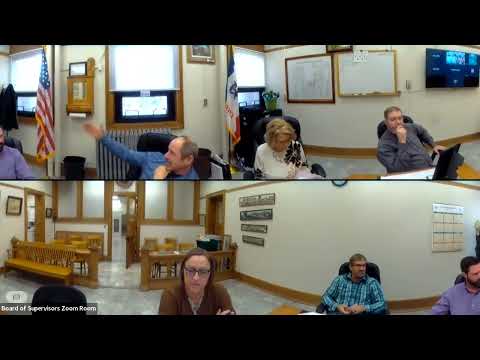
Supervisors acknowledged the concerns. A supervisor told meeting participants the board will "have it on the agenda next week to set the public time and place," and several members said they supported forming a group to study options for countywide coverage, training and volunteer support.
Board discussion after public comment focused on sequencing: supervisors agreed there should be three public hearings and an advisory body before any ballot measures, and volunteer leaders pressed for an expedited timetable so planning could proceed over the spring and summer. EMA and volunteer speakers also described equipment needs, including a grain‑rescue pack purchased with grant money and proposals for shared training, and asked that volunteers be included in hiring and planning for an EMS coordinator.
The board did not take a final vote on the resolution at the meeting; the request was entered as public input and supervisors directed staff to place a time and date for the next hearing on the agenda.
Ending: Supervisors said they would schedule follow‑up agenda items to set the public hearings and to return recommendations to the board for consideration.