
Maine hearing spotlights push to restore Wabanaki access to federal tribal laws
Get AI-powered insights, summaries, and transcripts
Subscribe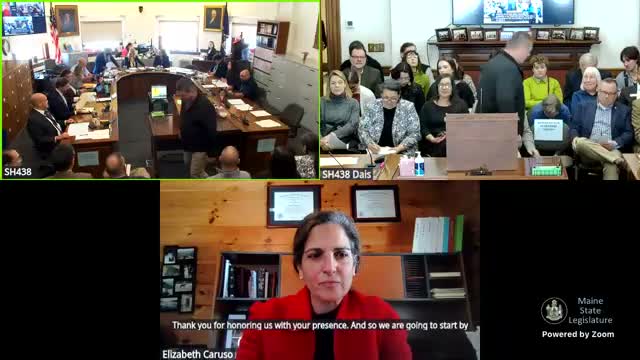
Summary
Tribal leaders, allied organizations and the governor’s counsel urged the Legislature to pass LD 3 95, a bill intended to let Maine’s four Wabanaki nations access federal laws and programs now blocked by the 1980 settlement acts; lawmakers and the executive said technical drafting remains under negotiation.
Senator Rachel Talbot Ross introduced LD 3 95 to the Joint Standing Committee on Judiciary, saying the bill would correct a ‘‘historical anomaly’’ that keeps the Wabanaki nations from reliably benefiting from federal laws enacted for other tribes.
‘‘The Maine Indian Claims Settlement Act and its implementing statute have, in effect, left the Wabanaki routinely excluded from federal legislation unless Congress explicitly names them,’’ Talbot Ross said in opening testimony, citing two task‑force and academic reports that list roughly 150 federal laws enacted since 1980 from which Maine tribes have been excluded.
Tribal leaders who testified described concrete consequences of that exclusion. Chief Clarissa Sabatas of the Houlton Band of Maliseet Indians said the settlement structure has imposed economic and regulatory barriers that compound intergenerational harm. ‘‘We already have inequities,’’ she said. ‘‘When federal laws come out that should apply to us, we have to turn around and find resources or devote resources to chase after laws that should just apply to us.’’
Chief William Nicholas of the Passamaquoddy tribe urged changes to the state tax code alongside LD 3 95, identifying three near‑term fixes his tribe seeks: (1) broaden the income‑tax exemption for tribal employees to apply regardless of where the employee lives, (2) extend a tribal sales‑tax exemption to specified tribally owned fee lands, and (3) ensure manufactured‑home sales to tribal members on tribal land are clearly exempt from sales tax. He told the committee those changes are intended to ‘‘preserve economic opportunities and remove needless administrative hurdles.’’
Jerry Reed, counsel to Governor Janet Mills, told the committee the administration supports the bill’s policy goal and is actively negotiating drafting language with tribal counsel. ‘‘The policy goal has never been in dispute,’’ Reed said, while cautioning that technical language in the draft raises legal questions that his office and tribal lawyers are working to resolve ahead of the committee’s work session.
Supporters from a wide range of organizations — environmental groups, civil‑rights organizations, conservation nonprofits and economic analysts — told the committee they expect economic, health and environmental benefits if the Wabanaki nations gain fuller access to federal programs such as the Clean Water Act, the Violence Against Women Act and other statutes cited in the task‑force materials. Several witnesses pointed to a 2022 Harvard Project analysis cited at the hearing that projects substantial job creation and income gains when tribal self‑governance rights are restored.
Committee members asked technical and procedural questions about the negotiating timeline, drafting problems the governor’s office flagged, and how proposed tax changes would operate in practice. Reed and tribal counsel said conversations are ongoing and that the committee would see refined language at the scheduled work session.
The committee took testimony from dozens of in‑person and remote witnesses and then closed the public hearing on LD 3 95, leaving text refinements and intergovernmental details for the upcoming work session.
What’s next: The Judiciary Committee closed the LD 3 95 hearing and directed staff to incorporate negotiated language and legal clarifications for a future work session; no vote on final text occurred at the hearing.