Get Full Government Meeting Transcripts, Videos, & Alerts Forever!
Get email alerts on the House Bill 168 topic
No spam. Unsubscribe anytime.
Committee adopts substitute for House Bill 168 to restore DUI-style boating penalties and tighten response rules
Summary
A House committee voted to advance a committee substitute for House Bill 168 that restores monetary penalties mirroring DUI statutes for operating a boat under the influence, clarifies when officers must seek warrants for blood testing in fatal or serious-injury incidents, and directs 911 dispatching to include Fish and Wildlife; the substitute passed the committee favorably on a roll call with 15 recorded yes votes.
A House committee on Friday adopted a committee substitute for House Bill 168 that restores boating-under-the-influence penalties to align with existing DUI statutes and clarifies emergency response procedures, a transcript of the meeting shows.
An unidentified committee member told the panel the substitute returns the penalty scheme to the original statutory approach — primarily monetary fines — and adjusts statutory language so law enforcement "shall" request a warrant for blood testing in fatal or serious-physical-injury boating incidents rather than leaving that step permissive.
The substitute also targets a communications gap for on-water incidents. The sponsor's explanation said current practice routes 911 calls to a local law-enforcement agency, which then notifies state police; state police, under a contract, would notify Fish and Wildlife to respond. "It was like an hour before law enforcement, particularly Fish and Wildlife, were to respond because they didn't get a call," the committee member said, citing a prior incident. The committee member added that Fish and Wildlife officers already on the lake could have been on scene in about 10 minutes if notified sooner.
Representative Fugate asked specifically whether Fish and Wildlife would be the responding agency for boating accidents and fatalities, noting that some local departments lack boats. The committee member confirmed Fish and Wildlife would be included in the notification loop and remain the primary on-water responder as described in the substitute.
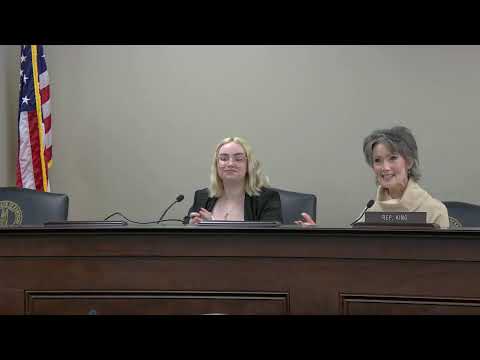
Chair King confirmed there was a motion and a second on the committee substitute and called for questions before the vote. The clerk conducted a roll-call vote; the transcript records 15 members responding "Yes." Chair King announced the committee substitute for House Bill 168 "passes out of this committee favorably" and said the measure will move to the House floor for consideration.
The transcript does not record the names or positions of a formal mover and seconder for the committee substitute, and several members called during the roll call did not have a recorded response in the provided transcript. The committee did not announce any additional committee directions or implementation dates during the recorded proceeding.
The committee's discussion focused on aligning penalties with DUI statutes, clarifying the warrant requirement for post-incident blood tests in severe boating incidents, and adjusting dispatch procedures so Fish and Wildlife units are more promptly notified for on-water emergencies. The committee recorded the substitute as passed and awaited scheduling on the House floor.